

- Female health
- Fertility
- Hormonal health
Understanding your cycle: how modern therapies can support women’s hormonal health
Most of us learned the basics of our cycle at school, and little more. This guide covers the four phases of the menstrual cycle, the symptoms worth checking with a doctor, and "cycle stacking": matching therapies, nutrition and rest to how your body changes through the month.
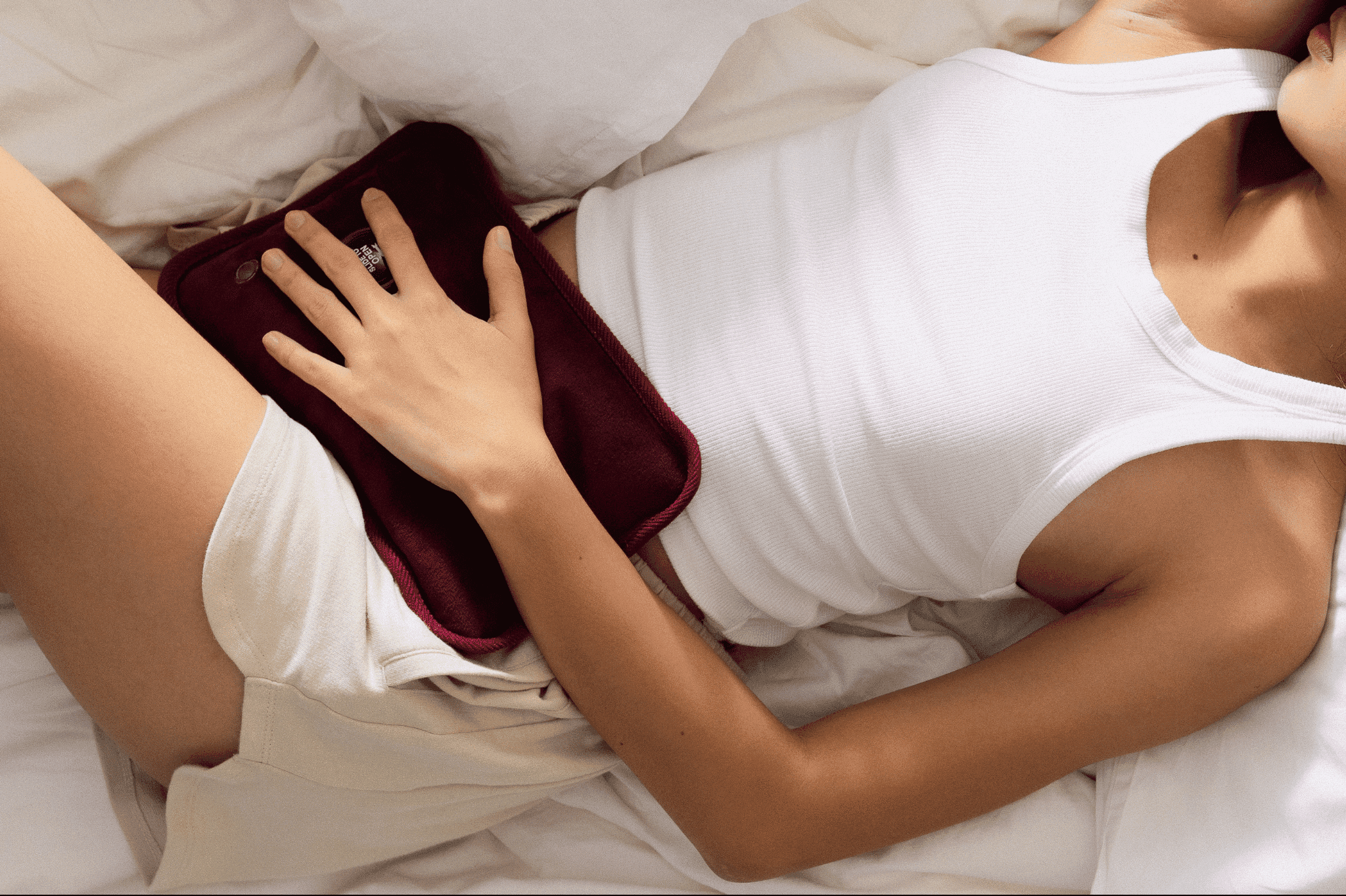
Taking it back to basics
For many women, our first introduction to reproductive health came through quick, surface-level lessons at school. Often, the focus was on preventing pregnancy, not on understanding the cycle itself or learning how hormones impact our energy, mood, and well-being throughout life. As a result, many of us entered adulthood without the tools to interpret what our bodies were telling us and we don’t understand how vital hormonal health cycle support is.
Reclaiming this knowledge is powerful. When we understand the different stages of our cycles, what to expect at each point, and how to spot when something might not be quite right, we’re better placed to look after our long-term hormonal health. And with modern therapies now available, we have more options than ever to support our bodies at the right times.
The stages of a woman’s reproductive life
Hormones shift constantly throughout a woman’s life, and different life stages bring unique challenges and changes.
- Puberty: Cycles begin, often irregularly at first. Hormones are establishing their rhythm.
- Reproductive years: Cycles typically stabilise, though conditions such as PCOS, endometriosis, or thyroid imbalance may cause irregularities or symptoms.
- Perimenopause: Hormonal fluctuations intensify, with cycles becoming less predictable. Symptoms such as mood changes, anxiety, hot flushes, and sleep disturbances often appear.
- Menopause and beyond: Periods stop and oestrogen levels drop, impacting bone, skin, and cardiovascular health.
Recognising which stage you’re in allows you to work with, not against, your body and find optimal hormonal health cycle support.
What happens in a typical cycle?
A menstrual cycle is usually around 28 days, though anywhere from 21–35 days is still normal. It can be divided into four phases, each influenced by shifts in hormones:
- Menstrual phase (days 1–5)
The start of bleeding marks day one. Oestrogen and progesterone are at their lowest, often leaving you with low energy and a need for rest. - Follicular phase (days 1–13)
Overlapping with menstruation at first, oestrogen levels gradually rise. Energy and mood typically lift, and many women feel more motivated and sociable. - Ovulation (around day 14)
Ovulation, triggered by a sharp rise in luteinising hormone (LH), releases an egg. It is often during this time that women feel at their most energised, confident, and outward-looking. - Luteal phase (days 15–28)
Progesterone dominates, preparing the body for a potential pregnancy. For some, this brings calmness, but for others, PMS symptoms such as mood swings, bloating, fatigue, or cravings can make this a challenging time.
A visual guide to the cycle
Here’s a typical 28-day cycle mapped out to better understand how hormone levels change. Notice the rises and falls in oestrogen, progesterone, LH, and FSH across each phase.
This rhythm is the foundation of your monthly health. By tuning into it, and understanding hormonal health cycle support, you can notice when something feels off and begin to tailor your wellbeing practices to your body’s natural flow.
When symptoms signal something more
While monthly fluctuations are natural, some symptoms can indicate an underlying condition that may need medical attention. These include:
- Irregular or absent periods: Could signal PCOS, thyroid issues, or stress.
- Severe pain during periods: Often linked to endometriosis.
- Very heavy bleeding: May be connected to fibroids or hormonal imbalance.
- Persistent acne, hair thinning, or excess hair growth: Signs of androgen imbalance.
- Extreme mood changes or debilitating PMS: Could suggest PMDD or other hormonal dysregulation.
If you’re experiencing any of these, it’s important to seek medical guidance. Alongside clinical support, lifestyle therapies can play a valuable role in managing symptoms and supporting overall hormonal health.
Introducing “cycle stacking” for Hormonal health cycle support
Once you understand your cycle, you can take the concept one step further with cycle stacking — the idea of matching therapies, nutrition, and lifestyle choices to the hormonal shifts of each phase.
Instead of treating wellness as a one-size-fits-all routine, cycle stacking allows you to lean into your natural rhythms. By knowing when your body is more inflamed, tired, social, or sensitive, you can “stack” the right support at the right time. This approach helps reduce unwanted symptoms while enhancing the strengths of each phase.
Hormonal health cycle support Therapies (and how to stack them)
Menstrual phase (days 1–5)
Your body is asking for rest and repair.
- Red light therapy: soothe cramps and muscle tension
- Hydration and iron blends to combat fatigue
- Cryotherapy: reduce inflammation and discomfort
Cycle stacking tip: focus on restorative therapies and gentle movement.
Follicular & ovulation phases (days 6–14)
Energy rises, creativity flows, and skin often looks brighter.
- Hyperbaric oxygen therapy (HBOT): boost energy, focus, and cell health
- Antioxidants and B vitamins for a natural energy lift
- Red light therapy: support skin health and cellular repair
Cycle stacking tip: Use energy-boosting therapies here to fuel your busiest, most outward-focused days.
Luteal phase (days 15–28)
Mood and energy can dip, and PMS symptoms may appear.
- Compression therapy: reduces bloating and heaviness
- Magnesium and vitamin B6 to ease PMS and improve sleep
- Cryotherapy: lift mood, improve circulation, and reduce puffiness
Cycle stacking tip: shift to calming, anti-inflammatory therapies and allow extra recovery time.
Beyond Hormonal health cycle support: long-term hormonal health
Cycle stacking can also be applied beyond monthly rhythms. Therapies that support circulation, reduce inflammation, and balance energy can also help women navigate:
- Fertility journeys: oxygenation and nutrient support for reproductive health
- PCOS or endometriosis: targeted anti-inflammatory support
- Perimenopause and menopause: circulation support, and recovery therapies for energy and sleep quality
The takeaway for Hormonal health cycle support
Your cycle is not just about your period; it’s a monthly rhythm that influences your mood, energy, and well-being. Understanding its phases allows you to notice when things are out of balance and to explore supportive therapies that help you feel your best.
Cycle stacking takes this knowledge to the next level, empowering you to align modern therapies with your body’s natural rhythms, so you can get the most benefit at the right time.
Red light therapy, hyperbaric oxygen therapy, compression therapy, and cryotherapy are not magic fixes – but when used in sync with your body, they can make a real difference to hormonal health cycle support, how you feel, both month by month and across your reproductive life.
Ready to try Hormonal health cycle support?
If you’d like to experience how these therapies can work in harmony with your body, our team is here to guide you. Whether you’re seeking more energy, relief from PMS, support for fertility, or balance during perimenopause, we’ll help you find the therapies that suit your needs best.
Book a consultation today and start working with your cycle, not against it.
Wondering how this applies to you?
A consultation is where we work out which of this is actually relevant.
Related goal
Where this fits
The goal this article sits under, if you would rather start from the outcome.
Keep reading
An IVF patient’s journey with Biowell Health’s support
After two IVF cycles with no viable embryos, Rowann tried a new approach: a revised protocol from her fertility specialist, supported by red light, compression and hyperbaric oxygen therapy at Biowell. Her next cycle produced blastocysts for the first time. Twelve months on, here's how her story ended.
How to optimise your hormonal health with biobacking
Hormones affect your energy, mood, sleep, metabolism and skin, and stress, poor sleep and nutrient gaps can all knock them off balance. This guide explains what disrupts hormonal health and how six therapies may help support your body's natural rhythm.
A Guide to Supporting Hair Health
Healthy hair starts below the surface. Nutrients, hormones, stress and circulation all affect how your hair grows and sheds. This guide covers the hair growth cycle, the nutrients involved in keeping hair healthy, and the support options available at Biowell after a consultation.
Start with a conversation
A consultation is the honest starting point. We will tell you what is likely to help and what is not worth your money.
Get the Biowell app