

- Lifestyle
- Stress and sleep
The sleep-stress connection and how biohacking can help
Stress keeps you awake, and poor sleep makes you more stressed. It's a cycle many of us know too well. Here's how stress and sleep feed into each other, and how therapies like HBOT, red light, cryotherapy and IHHT may help your body relax and recover.

Biowell’s advanced stress and sleep therapies target the root causes of stress and poor sleep, helping you restore calm, balance and deep, restorative rest.
In today’s fast-paced world, chronic stress and poor sleep are becoming increasingly common. Stress can disrupt the body’s natural sleep-wake cycle, leading to insomnia or restless sleep. On the other hand, lack of quality sleep heightens the body’s stress response, creating a vicious cycle. Breaking this is essential for maintaining good physical and mental health, but how?
Thankfully, a range of innovative therapies offer promising support. Therapies like Hyperbaric Oxygen Therapy (HBOT), Cryotherapy, Red Light Therapy, Compression Therapy, IV Therapy, Intermittent Hypoxic-Hyperoxic Training (IHHT) and Electrical Muscle
Stimulation (EMS).
How Sleep and Stress are Intertwined
Stress activates the sympathetic nervous system (our “fight or flight” response), increasing levels of cortisol and adrenaline, which when too high, pose problems falling or staying asleep.
Addressing both stress and sleep can lead to better health outcomes, improved focus, stronger immunity, and enhanced mood, and that’s where modern wellness therapies can be helpful.
Which stress and sleep therapies, and Why?
Hyperbaric Oxygen Therapy (HBOT)
HBOT involves breathing pure oxygen in a pressurised chamber. This increases oxygen delivery to tissues, promoting cellular repair, reducing inflammation, and calming the nervous system.
Benefits for Stress & Sleep:
- May lower cortisol levels and enhance parasympathetic (rest-and-digest) activity
- Supports brain recovery and neuroplasticity
- Reduces fatigue and mental fog associated with sleep deprivation
Cryotherapy
Exposing the body to extremely cold temperatures for a short duration may help reduce inflammation, boost endorphins and regulate mood, potentially decreasing stress levels.
Cryotherapy Benefits for Stress & Sleep:
- Increases production of norepinephrine and endorphins
- May improve sleep onset and duration by helping to reset circadian rhythms
- Reduces symptoms of anxiety and depression
Red Light Therapy
This therapy uses low-wavelength red light to stimulate mitochondrial function.
Red Light Therapy Benefits for Stress & Sleep:
- Promotes melatonin production for better sleep
- Reduces oxidative stress, inflammation and muscle tension
- Supports mental clarity and mood regulation
Compression Therapy
Commonly used by athletes, this therapy involves applying controlled pressure to limbs to enhance blood flow and lymphatic drainage, and can help reduce physical stress indicators.
Compression Therapy Benefits for Stress & Sleep:
- Promotes relaxation and reduces muscle soreness
- Improves circulation, which may aid in restful sleep
- Can support parasympathetic nervous system activation
IV stress and sleep therapies
IV drips deliver vitamins and minerals directly into the bloodstream. Replenishing nutrients like magnesium, B vitamins and amino acids can help to combat stress, fatigue and sleep issues.
Benefits for Stress & Sleep:
- Restores nutrient imbalances that affect mood and sleep
- Boosts energy during the day, helping maintain natural sleep-wake cycles
- May include calming agents like magnesium and taurine
Intermittent Hypoxic-Hyperoxic Training (IHHT)
IHHT alternates between breathing low-oxygen and high-oxygen air, mimicking high-altitude training. This can enhance cellular resilience, mitochondrial function, and stress adaptability.
Benefits for Stress & Sleep:
- Improves cellular energy and resilience
- Balances the autonomic nervous system
- Can support more restorative sleep cycles
Good sleep hygiene, regular exercise, and mindfulness are important, but these therapies – whether used individually or in combination – can support recovery and relaxation as well as enable the body and mind to build a resilience to stress, making restorative sleep more achievable.
Wondering how this applies to you?
A consultation is where we work out which of this is actually relevant.
Related goal
Where this fits
The goal this article sits under, if you would rather start from the outcome.

Energy and lifestyle optimisation
Persistent tiredness is the most common reason people come to us, and it is rarely solved by being told to sleep more.
- 8 weeks
- From £85 per session
Sleep
Getting eight hours and still waking up tired is a different problem from not being able to fall asleep. We start by working out which one you have.
- 6 weeks
- From £85 per session
Related therapy
The therapies behind it
What is mentioned above, and what it actually involves.
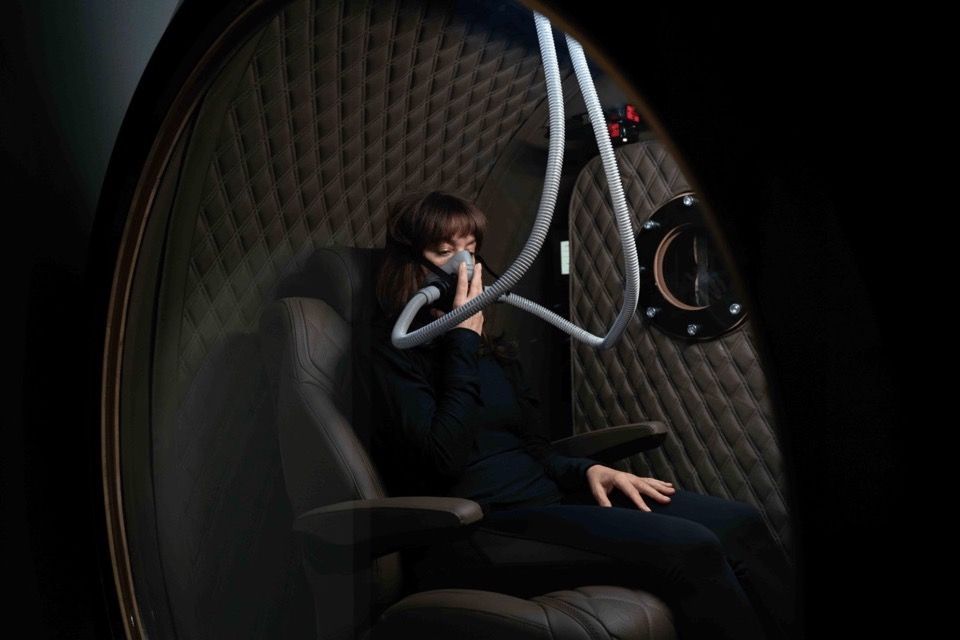
Hyperbaric Oxygen Therapy
Breathing oxygen at increased pressure in a comfortable chamber, to support recovery, repair and cognitive clarity. Sessions are quiet, still and surprisingly restful.

Cryotherapy
Three minutes of extreme dry cold to support recovery, reduce soreness and leave you noticeably alert.
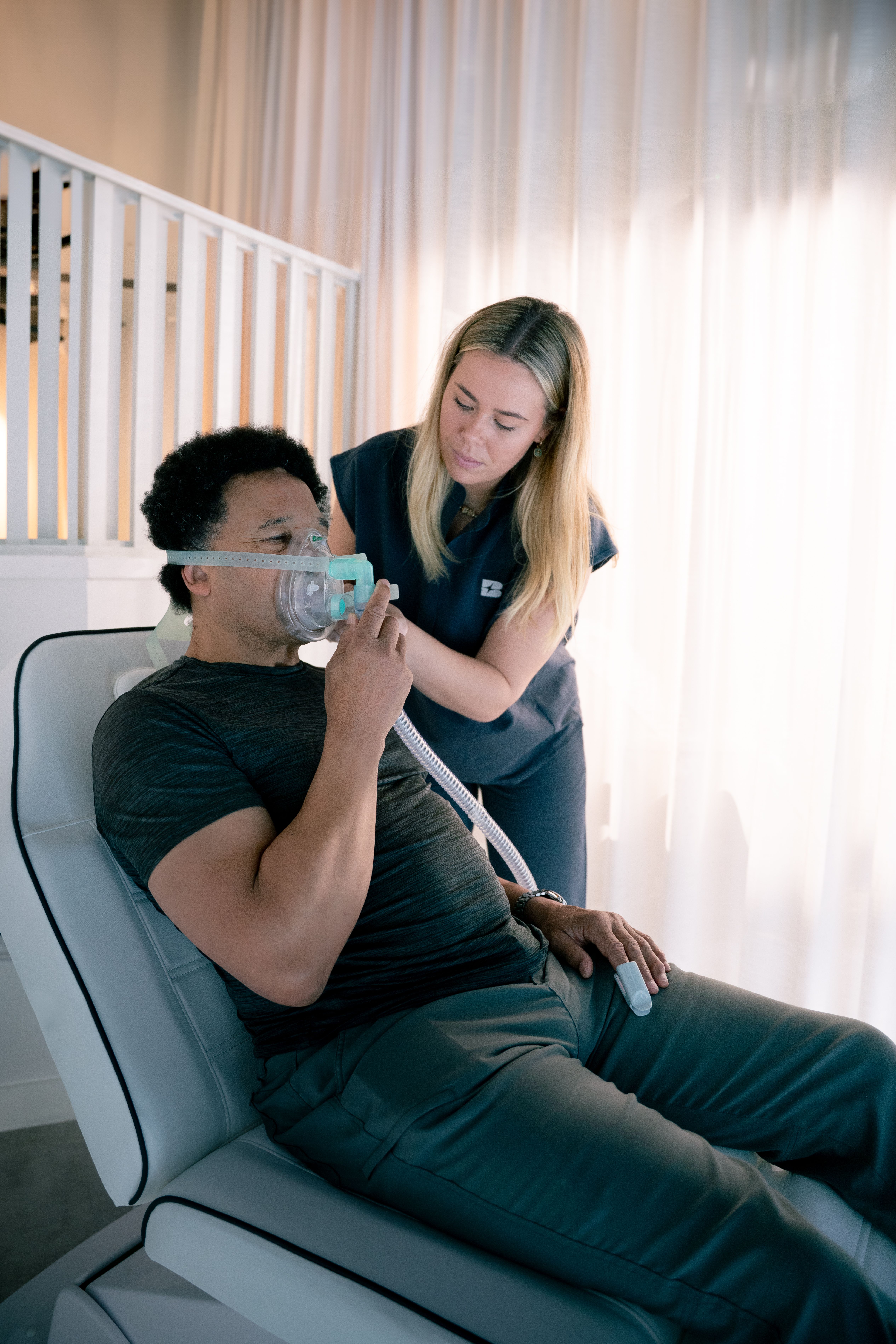
Intermittent Hypoxia Hyperoxia Therapy
Alternating low- and high-oxygen air through a mask, used to train the body's response at a cellular level. You sit still and breathe.
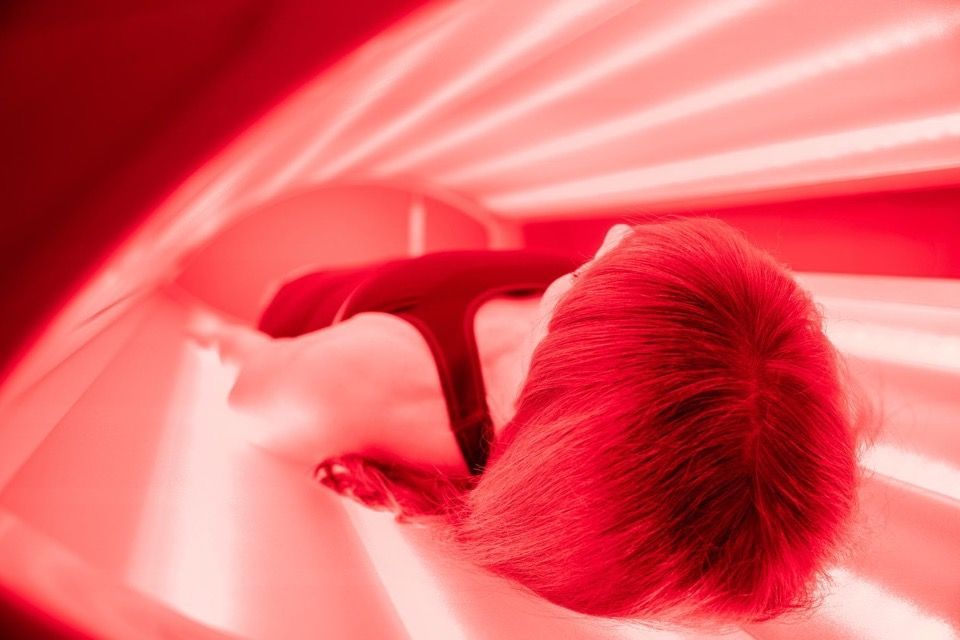
Red Light Therapy
Low-level red and near-infrared light, explored for skin, recovery and sleep. A passive session you can fit into a lunch break.
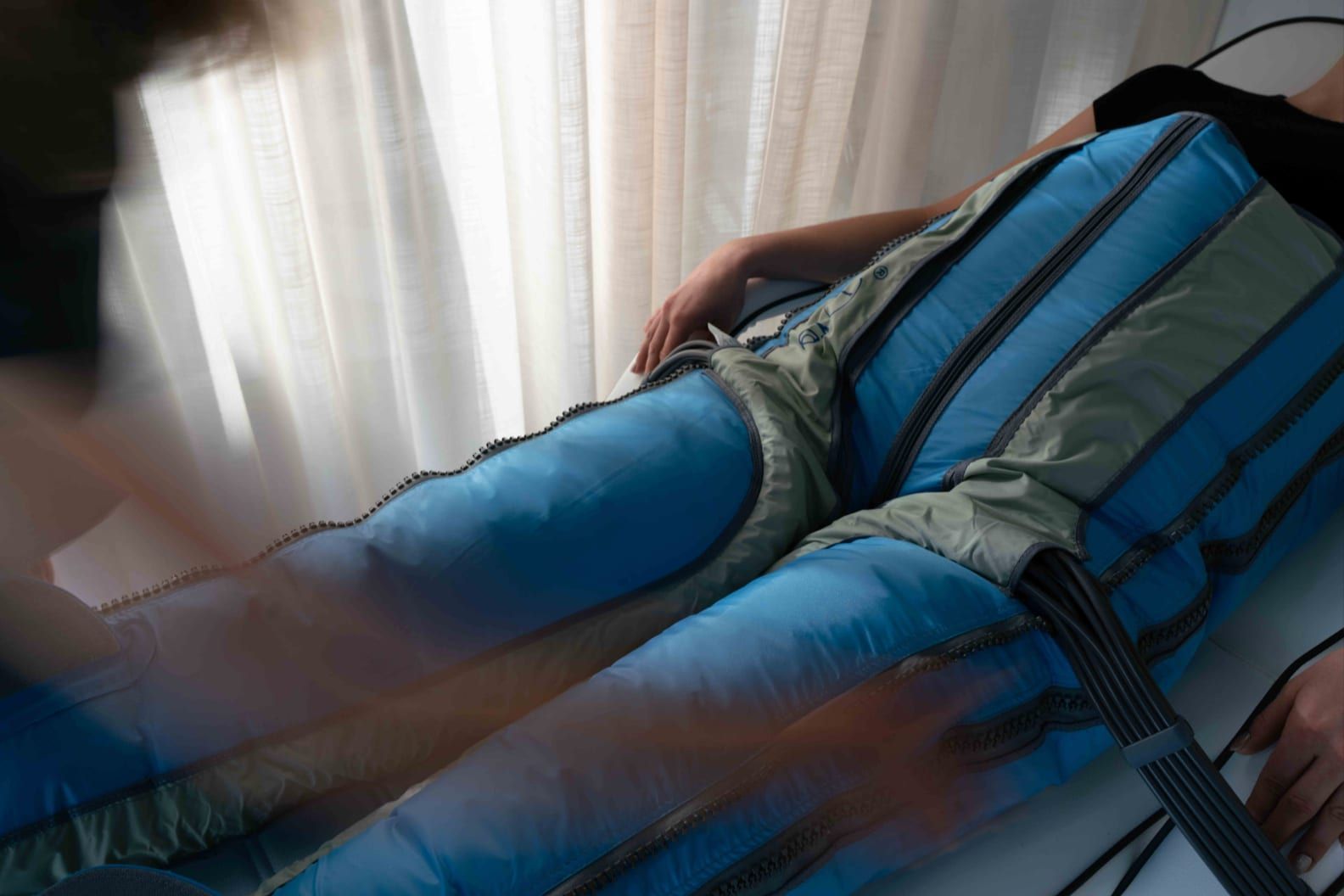
Compression Therapy
Sequential pneumatic compression to support circulation and reduce swelling. Sit back for half an hour and let it work.
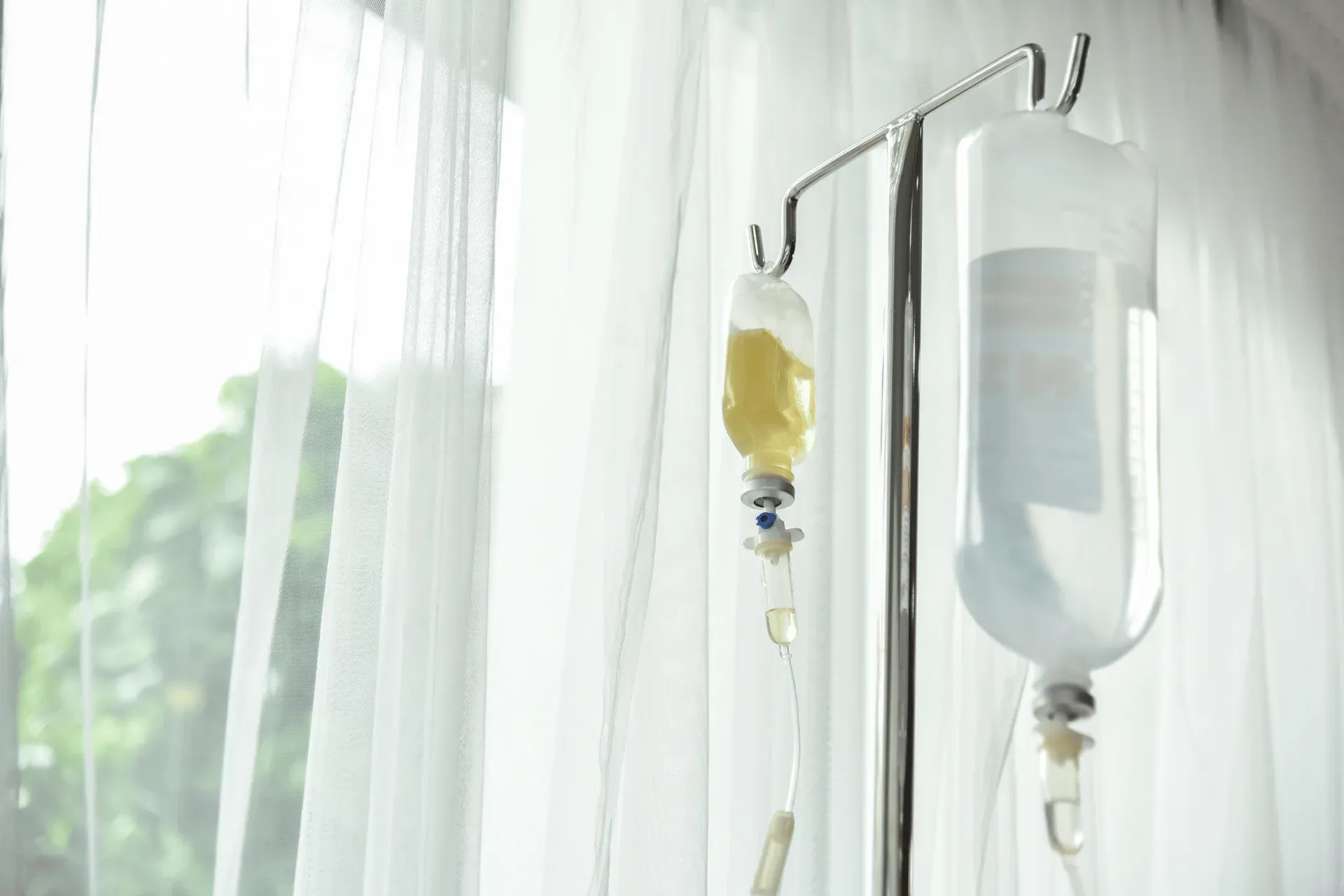
IV Infusion Drips
Vitamins and minerals delivered directly into the bloodstream, prescribed to your needs rather than chosen from a menu.
Keep reading

How to optimise your hormonal health with biobacking
Hormones affect your energy, mood, sleep, metabolism and skin, and stress, poor sleep and nutrient gaps can all knock them off balance. This guide explains what disrupts hormonal health and how six therapies may help support your body's natural rhythm.

The Gut-Brain Axis: How Gut Health Shapes Mental Clarity, Mood, and Performance
Brain fog after a heavy meal? Struggling to focus when your digestion feels off? That's the gut-brain axis at work. This guide explains how your gut and brain talk to each other, what disrupts the connection, and how therapies, liver support and hydration may help both.

The Gut Issue: Why Heat and Summer Months Affect Your Digestion
Bloated, sluggish and tired every time the temperature climbs? You're not imagining it. Heat diverts blood away from digestion, and travel and dehydration add to the strain. Here's why your gut struggles in summer, how it affects your mood and focus, and how to support it.
Start with a conversation
A consultation is the honest starting point. We will tell you what is likely to help and what is not worth your money.
Get the Biowell app