

- Female health
- Fertility
Does Red Light Therapy help with fertility? Dr Bora explains
Red light therapy is being explored as a support for both female and male fertility, from egg and sperm health to PCOS and endometriosis. Fertility specialist Dr Shabana Bora explains how it works, what the research shows so far, and what it doesn't yet show.
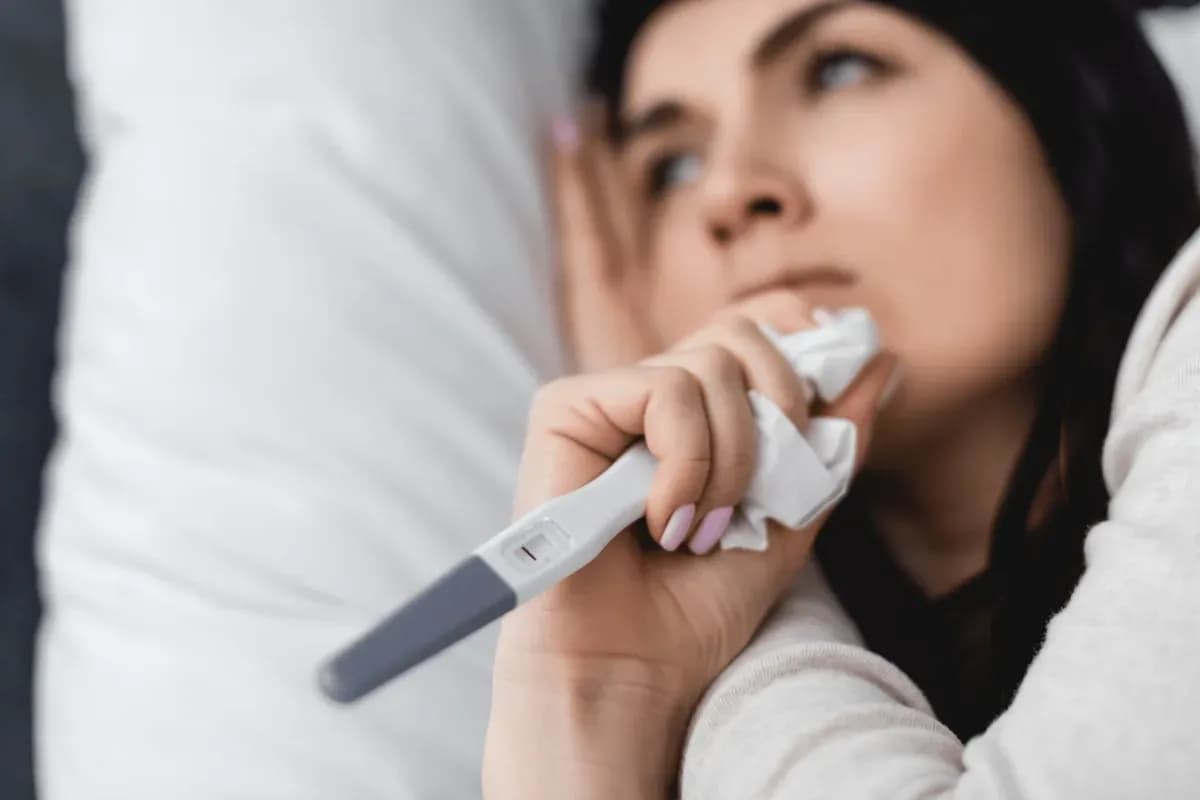
Red light therapy for fertility. By Dr Shabana Bora, MBBS, MRCOG, Consultant Gynaecologist and Fertility Specialist, ALMA Fertility
Red Light Therapy (RLT), or photobiomodulation, has been adopted as a noninvasive treatment that uses low-level wavelengths of red and near-infrared light to enhance cellular function, reduce inflammation, improve blood circulation, and optimise mitochondrial performance. These factors play crucial roles in reproductive health for both men and women.
It has gained widespread attention for its potential benefits on reproductive health for both men and women over the past decade, including improving ovarian function, sperm quality, hormonal irregularities, and fertility.
How does red light therapy work?
Red Light Therapy works through photobiomodulation (PBM), where specific wavelengths of light (typically 600–1000 nm) penetrate tissues and interact with cellular components, particularly mitochondria. This interaction boosts adenosine triphosphate (ATP) production, enhancing cellular repair, reducing oxidative stress, and supporting tissue regeneration.
Initially developed by NASA to aid plant growth in space and accelerate wound healing in astronauts, this therapy mimics beneficial aspects of sunlight—excluding harmful UV—playing a key role in cellular function and overall health. Mitochondria is the body’s energy producer and power-essential biological process, but age, stress, and toxins can impair its efficiency, leading to reduced energy production and cellular decline.
Red Light Therapy directly stimulates mitochondria by penetrating the skin, restoring their function and energising cells. This reactivation supports a range of benefits, from wound healing and collagen production to improving skin conditions, helping with growth, reducing inflammation, and overall cellular rejuvenation. It makes it a versatile, noninvasive therapy for both aesthetic and general health applications.
How can Red Light Therapy be used beyond skin health?
Red Light Masks offer a range of benefits, primarily marketed for skin health and anti-ageing. These masks work by stimulating collagen and elastin production, which is believed to help reduce wrinkles and fine lines and improve skin elasticity, resulting in a brighter, more youthful complexion.
Beyond skincare, red light therapy may support ‘wellness’ by enhancing cellular energy production and reducing oxidative stress, which contributes to general ageing and cellular damage. Some research suggests that Red Light Therapy can positively impact fertility, thyroid function and hormonal balance, potentially aiding in stress reduction and regulating cortisol levels.
Red Light Therapy and Female Fertility
As research in this field continues to evolve, Red Light Therapy, which is already widely used in the USA, is thought to be a valuable adjunct to fertility treatment and may also optimise natural conception and overall reproductive health.
For clients exploring non-invasive and supportive therapies for fertility and reproductive health, Red Light Therapy offers a low-risk option with potential long-term benefits.
Red Light Therapy for egg health and ovarian function
The ovaries require optimal mitochondrial activity to support oocyte (egg) development. Studies have shown that red and near-infrared light can enhance mitochondrial efficiency, increasing energy production in ovarian cells. Whether this improves egg quality is not known, as there is no good evidence that it does. However, there are a number of case reports that may demonstrate that Red Light Therapy has improved rates of live births in assisted reproduction (IVF) [1].
It’s worth noting that evidence is based on a very low number of cases and in reported case report studies and has not been investigated in randomised controlled trials. However, as RLT is a complementary and non-invasive therapy, that not only provides cellular benefit but also promotes relaxation it may be of added benefit while going through fertility treatment.
2. Using Red Light Therapy for fertility, hormonal balance and menstrual cycle regulation
There are several gynaecological concerns, such as PCOS, endometriosis, or associated thyroid dysfunction, which are known to impact fertility and general reproductive health.
RLT may assist in modulation of hormone-producing cells, potentially improving endocrine function, particularly beneficial for those suffering from PCOS.
This may ultimately result in women achieving more regular menstrual cycles, resumption of ovulation and subsequent improved luteal phase support; all of which are critical factors for successful conception to occur.
3. Managing Endometriosis and Pelvic Pain with Red Light Therapy
Endometriosis, a condition in which endometrial tissue grows outside the uterus, can cause significant pelvic pain and fertility issues. Some studies suggest that Red Light Therapy’s anti-inflammatory effects may reduce pain, promote tissue repair and reduce abnormal cell proliferation associated with endometriosis.
In addition, improved microcirculation can enhance oxygen delivery to affected tissues, improving patients’ symptoms of the condition. A small randomised controlled trial in South Korea found some improvement in quality of life and pain symptoms [3].
4. Using Red Light Therapy for IVF
For successful implantation to occur during an IVF cycle, the endometrial (womb) lining must be adequately thick and receptive to the embryo. Red Light Therapy has been linked to enhanced blood flow and angiogenesis (the formation of new blood vessels), which is believed to improve endometrial receptivity.
How does Red Light Therapy help male fertility?
1. How Red Light Therapy helps sperm health
Male fertility is largely assessed by sperm count, motility (the way the sperm move), and morphology (the shape of the sperm). Some human studies [4] and animal studies [5] have shown that Red Light Therapy, when applied at appropriate dosages, can enhance sperm mitochondrial activity, leading to improved motility and vitality.
This may be particularly relevant for men experiencing suboptimal sperm parameters due to oxidative stress, inflammation, infection or lifestyle factors; however, changes in lifestyle factors such as smoking, vaping, drinking, and recreational drugs will have a profound negative impact on sperm health.
2. Testosterone Production
Leydig cells in the testes produce testosterone, a hormone crucial for sperm development, libido, and overall male reproductive function. Red Light Therapy is thought to stimulate these cells with exposure, enhancing testosterone levels.
Things to consider when having Red Light Therapy for IVF or fertility
While Red Light Therapy is generally regarded as safe, the effectiveness depends on factors such as wavelength, intensity, and duration of exposure. Overuse or excessive heat exposure may have counterproductive effects, particularly on sensitive tissues.
Consulting a healthcare provider or fertility specialist before incorporating Red Light Therapy into a reproductive health regimen is advisable, especially for individuals undergoing medical treatments or dealing with underlying conditions.
red light therapy London
Looking for Red Light Therapy for fertility in London? Biowell Health, located in Battersea Power Station, is the leading provider of accessible, cutting-edge red light therapy to support reproductive health.
Our full-body Red Light Therapy beds offer a relaxing, noninvasive solution to enhance circulation, cellular energy, and hormone balance, which are crucial for both male and female fertility.
Unlike handheld devices, Biowell Health’s advanced lie-down beds ensure deep tissue penetration and even full-body exposure for maximum fertility benefits.
Whether trying to conceive naturally or undergoing IVF treatment, Biowell Health in Battersea Power Station provides expert-led, science-backed red light therapy to optimise your fertility journey. Book your session today and take a step toward better reproductive wellness!
________
Dr Shabana Bora
A dedicated fertility consultant with over twelve years of experience in women’s health and reproductive medicine, Shabana has spent eight years at one of London’s top fertility clinics, combining evidence-based practices with emotional support to empower clients on their journey to parenthood, providing personalised treatments tailored to each patient’s needs.
Having achieved her own family through IVF, Shabana understands the importance of providing an empathic approach, ensuring they feel supported at every step of their fertility journey and to help achieve their dreams of parenthood.
She specialises in treating women with low ovarian reserve, endometriosis, PCOS, and premature ovarian insufficiency (POI), emphasising holistic care by integrating lifestyle, nutrition, and emotional support into her practice.
Shabana offers compassionate care for those requiring IVF, egg or sperm donation, egg freezing, or general fertility advice and menopause support.
Outside of consulting, Shabana is a member of the Royal College of Obstetricians and Gynaecologists (RCOG), BFS (British Fertility Society), BMS (British Menopause Society), and ESHRE.
To book a consultation with Shabana, please visit Alma Fertility
________
References
[1] Phypers et al. The Efficacy of Multiwavelength Red and Near-Infrared Transdermal Photobiomodulation Light Therapy in Enhancing Female Fertility Outcomes and Improving Reproductive Health: A Prospective Case Series with 9-Month Follow-Up. J Clin Med, 2024 Nov; 13 (23)
[2] Grinsted et al. PhotoBiomodulation for Infertility. Ecronicon.com 2019, Aug
[3] Gi-Youn Hong et al. Randomised controlled trial of the efficacy and safety of self-adhesive low-level light therapy in women with primary dysmenorrhea Int J Gynaecol Obstet 2016, Apr
[4] Frangez et al. Photobiomodulation with light-emitting diodes improves sperm motility in men with asthenozoospermia, Lasers Med Sci 2015 Jan
[5] Moradi et al. A Comprehensive Systematic Review of the Effects of Photobiomodulation Therapy in Different Light Wavelength Ranges (Blue, Green, Red, and Near-Infrared) on Sperm Cell Characteristics in Vitro and in Vivo. Repro Sci, 2024 Nov; 31 (11). Methods can support your health goals. It is essential to approach any new treatment or therapy and always consult with a healthcare professional before starting new routines, especially advanced therapies, to ensure safety and efficacy based on your individual health needs.
Wondering how this applies to you?
A consultation is where we work out which of this is actually relevant.
Related goal
Where this fits
The goal this article sits under, if you would rather start from the outcome.
Menopause
Perimenopause and menopause affect sleep, energy, mood, joints and skin all at once. We start by understanding which of those matter most to you, then build a plan around them.
- 6 to 12 weeks
- From £95 per session
Fertility
Whether you are preparing to conceive or already in treatment, we focus on the things that support you alongside your clinical care — recovery, stress load, circulation and sleep.
- From £95 per session
- Consultation
Related therapy
The therapies behind it
What is mentioned above, and what it actually involves.
Red Light Therapy
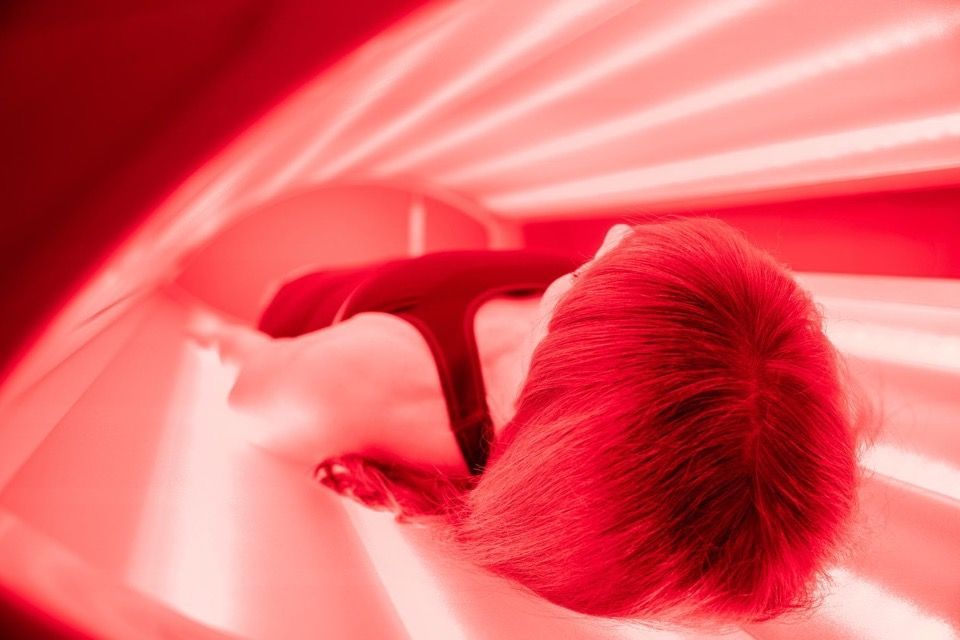
Low-level red and near-infrared light, explored for skin, recovery and sleep. A passive session you can fit into a lunch break.
Keep reading
An IVF patient’s journey with Biowell Health’s support
After two IVF cycles with no viable embryos, Rowann tried a new approach: a revised protocol from her fertility specialist, supported by red light, compression and hyperbaric oxygen therapy at Biowell. Her next cycle produced blastocysts for the first time. Twelve months on, here's how her story ended.
How to optimise your hormonal health with biobacking
Hormones affect your energy, mood, sleep, metabolism and skin, and stress, poor sleep and nutrient gaps can all knock them off balance. This guide explains what disrupts hormonal health and how six therapies may help support your body's natural rhythm.
A Guide to Supporting Hair Health
Healthy hair starts below the surface. Nutrients, hormones, stress and circulation all affect how your hair grows and sheds. This guide covers the hair growth cycle, the nutrients involved in keeping hair healthy, and the support options available at Biowell after a consultation.
Start with a conversation
A consultation is the honest starting point. We will tell you what is likely to help and what is not worth your money.
Get the Biowell app