

- Longevity and prevention
- Recovery and healing
What is inflammation, and how can biohacking therapies help you manage it?
Inflammation is how your body protects and heals itself, but when it doesn't switch off, it can affect energy, sleep, mood, digestion and recovery. Here's the difference between acute and chronic inflammation, what triggers it, and how lifestyle changes and therapies may help.
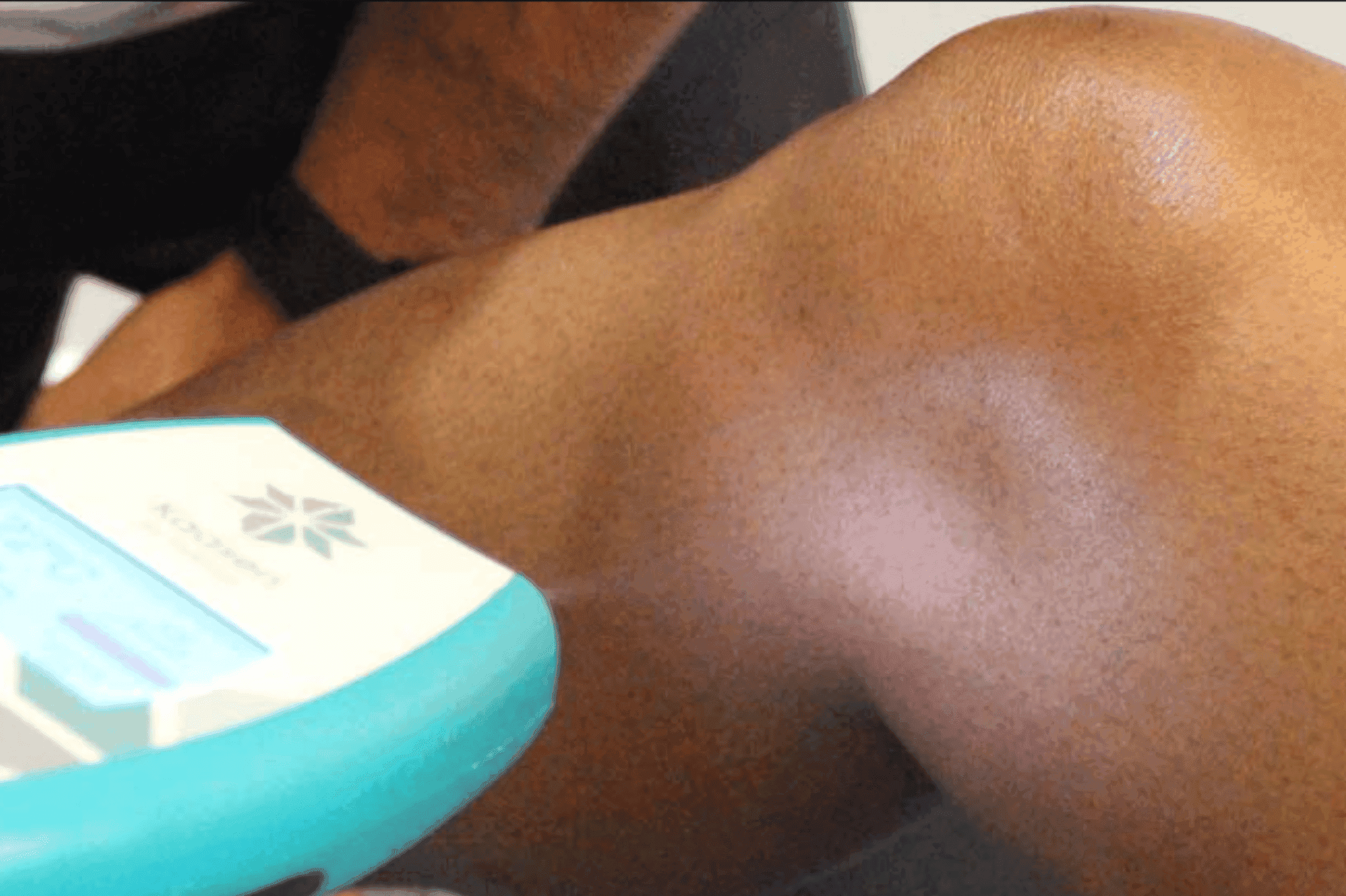
Inflammation is a word most of us hear frequently, but what is inflammation? Many people do not fully understand what it actually means for their day-to-day health. In simple terms, inflammation is the body’s natural defence response. When you experience an injury, infection or physical stress, the immune system activates a series of chemical signals designed to protect you. In the short term, this process is essential. It helps fight pathogens, repair tissue and return the body to balance.
Problems begin when inflammation becomes chronic. Instead of resolving, the immune system remains activated and continues to release inflammatory molecules. This ongoing activation can quietly influence energy, sleep, mood, hormonal balance, skin health and recovery. It is a root driver of many modern health concerns, including metabolic issues, cardiovascular disease, digestive dysfunction, joint pain and fatigue.
Understanding the distinction between acute and chronic inflammation is a crucial first step. Acute shows up clearly. You may notice heat, redness, swelling or pain around an injury. Chronic is more subtle. It often develops over months or years and can present as brain fog, low mood, hormonal swings, stubborn weight gain, slow recovery, digestive upset, skin flare-ups or reduced resilience to stress.
What causes inflammation?
Inflammation has many triggers. Some are external, while others arise within the body.
Common external triggers include:
- High stress levels
- Poor sleep quality
- Lack of movement
- Smoking or excessive alcohol
- Pollution exposure
- Highly processed foods
- Excess sugar
- Low fibre diets
- Hidden infections
- Repeated intense training without enough recovery
Internal drivers include:
- Hormone imbalance
- Slow mitochondrial function
- Dysregulated blood sugar
- Gut microbiome imbalance
- Nutrient deficiencies
- Autoimmune activity
- Unresolved injury
Inflammation rarely comes from one source. More often, it is the combined effect of busy lifestyles, environmental load and reduced cellular resilience. When clients arrive at Biowell with concerns about fatigue, poor recovery or feeling “inflamed”, our goal is to explore both the root causes and the most effective therapeutic tools to bring the body back into balance.
How lifestyle influences inflammation
Lifestyle choices significantly influence the severity and persistence of inflammation. Even small, repeated behaviours influence the immune system and how the body responds to everyday stress.
Nutrition choices are often the biggest driver. Diets low in whole foods and high in processed fats and sugars can create a pro-inflammatory environment. Sleep is another important factor. During deep sleep, the body regulates immune activity, repairs tissue and clears cellular waste. When sleep is poor or disrupted, inflammatory markers rise.
Movement helps regulate inflammation by increasing circulation and supporting lymphatic flow. However, both too little and too much can worsen the issue. Overtraining without proper recovery puts significant stress on the body and can lead to ongoing inflammation in joints, muscles and the nervous system.
Stress is one of the most underestimated contributors. When the body is in a constant state of fight or flight, cortisol levels rise and remain elevated. This directly influences inflammatory pathways.
At Biowell, we observe that inflammation improves most rapidly when clients support both lifestyle changes and targeted therapies. Biohacking tools accelerate cellular repair, help regulate the immune response and promote faster recovery.
Biohacking therapies that help reduce inflammation
IHHT, Intermittent hypoxic hyperoxic training
IHHT strengthens the mitochondria, the energy-producing parts of the cell that influence how the body responds to stress and injury. Stronger mitochondria produce less oxidative stress and fewer inflammatory byproducts. Many clients experience improved energy, enhanced mental clarity, and reduced chronic inflammation after a series of sessions.
HBOT, Hyperbaric oxygen therapy
HBOT increases oxygen saturation in the blood and tissues. Higher oxygen levels reduce inflammation, promote tissue repair and support immune regulation. It is particularly effective for long-term inflammation, post-illness recovery and injury healing. HBOT also helps reduce swelling and supports the body’s ability to manage oxidative stress.
Red light therapy
Red and near infrared light support cellular energy production and calm inflammatory pathways. This therapy is widely used for joint pain, muscle recovery, skin inflammation and general immune support. Regular sessions can reduce stiffness, lower inflammation markers and improve tissue healing.
Cryotherapy
Cold therapy reduces inflammation by constricting blood vessels, lowering inflammatory cytokines and increasing endorphins. Many clients notice an immediate improvement in muscle soreness, joint pain and overall recovery. When used consistently, cryotherapy helps regulate chronic low-grade inflammation and improves stress resilience.
PEMF therapy
Pulsed electromagnetic field therapy (PEMF) works at a cellular level to restore electrical balance and support cellular repair. It helps reduce inflammation by improving circulation, oxygenation and nutrient uptake. PEMF is often recommended for chronic pain, joint issues and systemic inflammation.
Compression therapy
Compression increases lymphatic drainage and circulation. This helps clear inflammatory waste products more efficiently. It is especially beneficial for reducing swelling, alleviating heavy legs, promoting post-training recovery, and supporting general detoxification.
LOOKING FOR HELP WITH Inflammation?
Inflammation is not always negative. It is a core part of how the body protects and heals itself. The issue is when that protective response never fully switches off. By understanding the signs, identifying triggers, and using targeted biohacking therapies, it is possible to calm the system, improve resilience, and reduce the long-term impact of chronic inflammation.
At Biowell, our approach combines science-backed treatments with personalised lifestyle guidance to help you lower inflammation, restore balance and support long-term health from the inside out.
Wondering how this applies to you?
A consultation is where we work out which of this is actually relevant.
Related goal
Where this fits
The goal this article sits under, if you would rather start from the outcome.

Healthy ageing
Healthy ageing is less about adding years and more about keeping the things you can do now — mobility, energy, clarity and recovery.
- 12 weeks
- From £95 per session
Injury recovery
Recovery is not just rest. The right support at the right point can shorten the gap between injured and fully capable.
- 4 to 8 weeks
- From £85 per session
Related therapy
The therapies behind it
What is mentioned above, and what it actually involves.
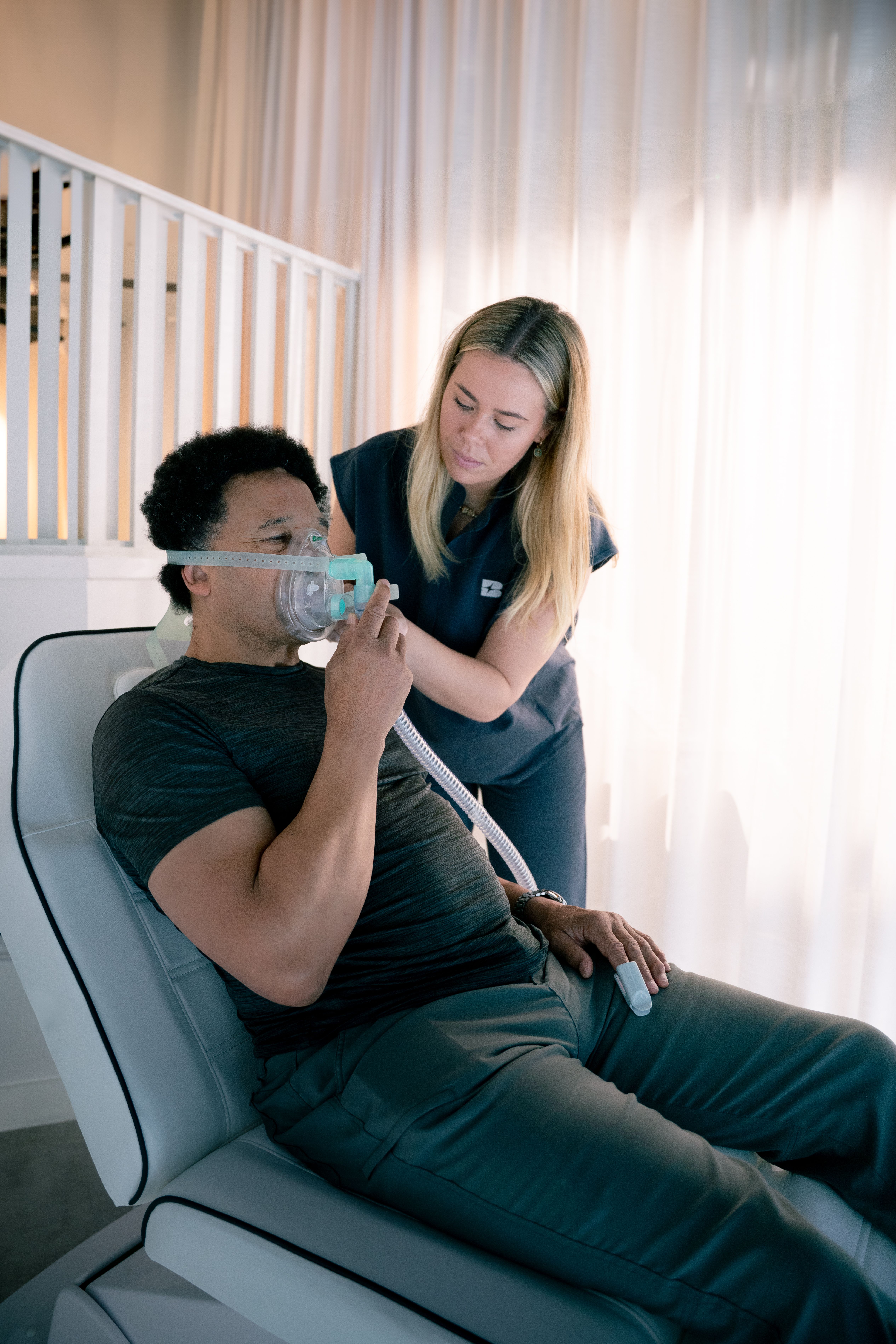
Intermittent Hypoxia Hyperoxia Therapy
Alternating low- and high-oxygen air through a mask, used to train the body's response at a cellular level. You sit still and breathe.
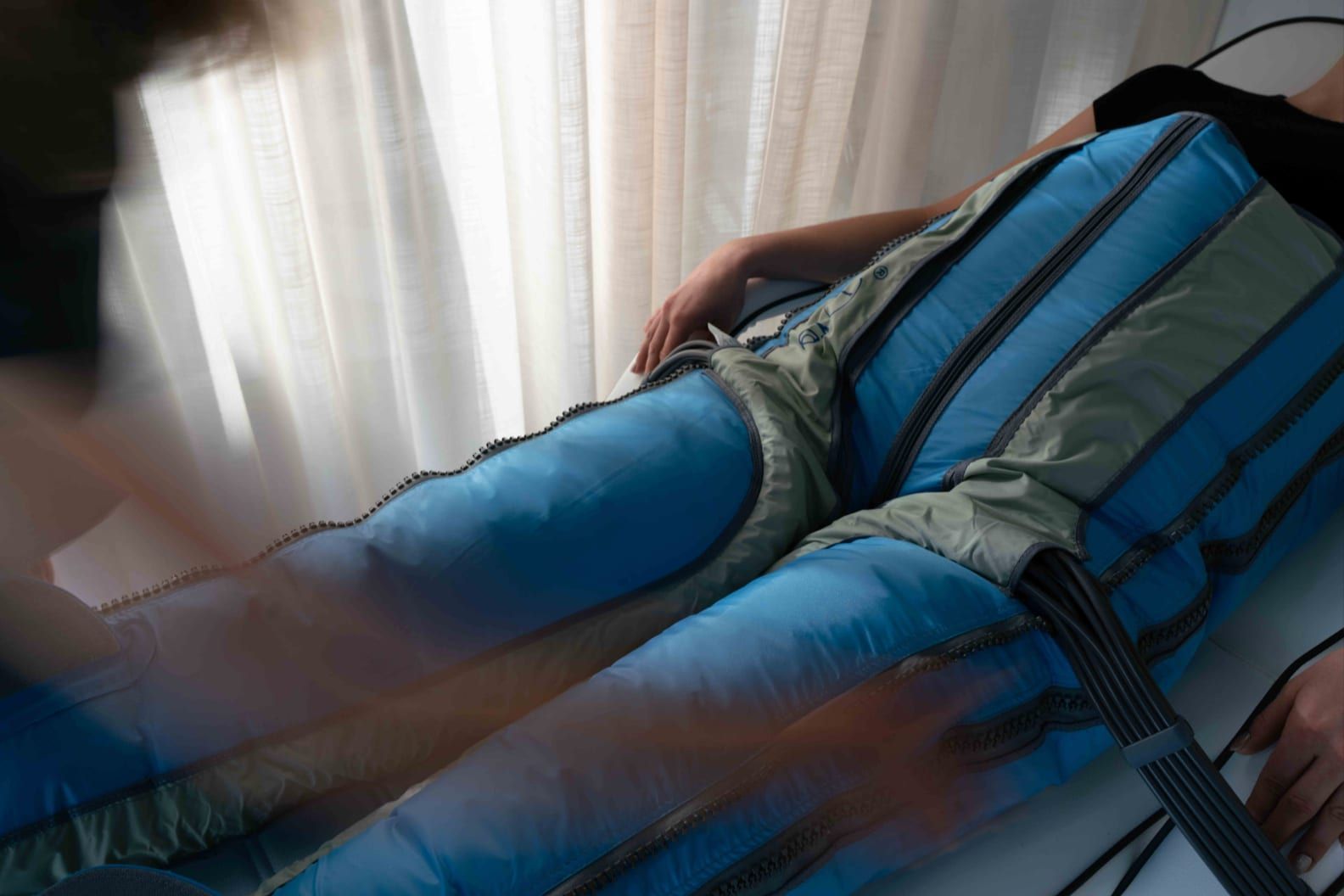
Compression Therapy
Sequential pneumatic compression to support circulation and reduce swelling. Sit back for half an hour and let it work.
Keep reading
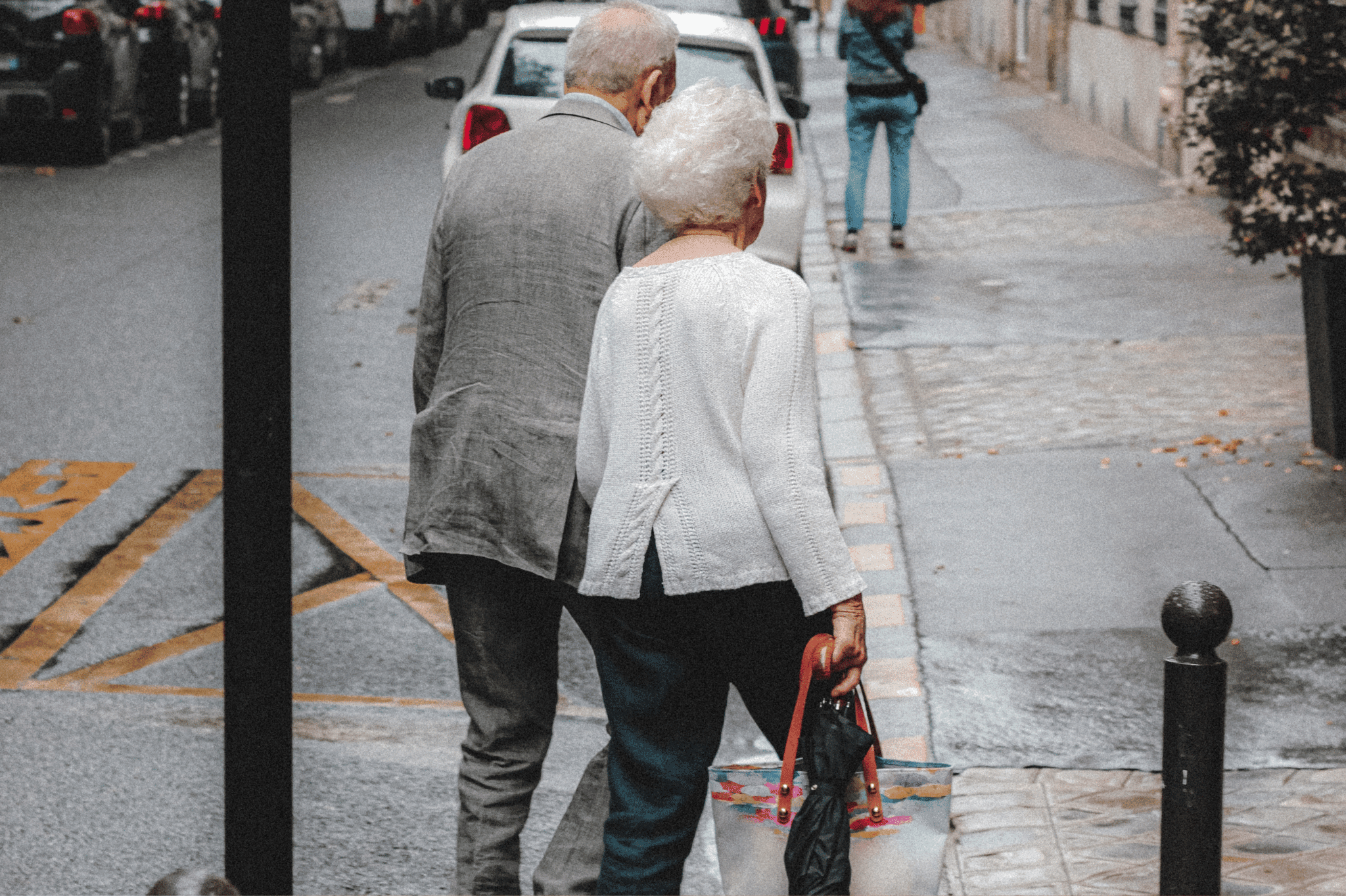
Prevention and longevity: future-proofing your health
Prevention is no longer passive. This guide covers five therapies Biowell uses as part of a personalised approach to healthy ageing: HBOT, NAD+ IV, cryotherapy, red light and IHHT. It explains what each involves and how it may support energy, recovery and resilience over time.
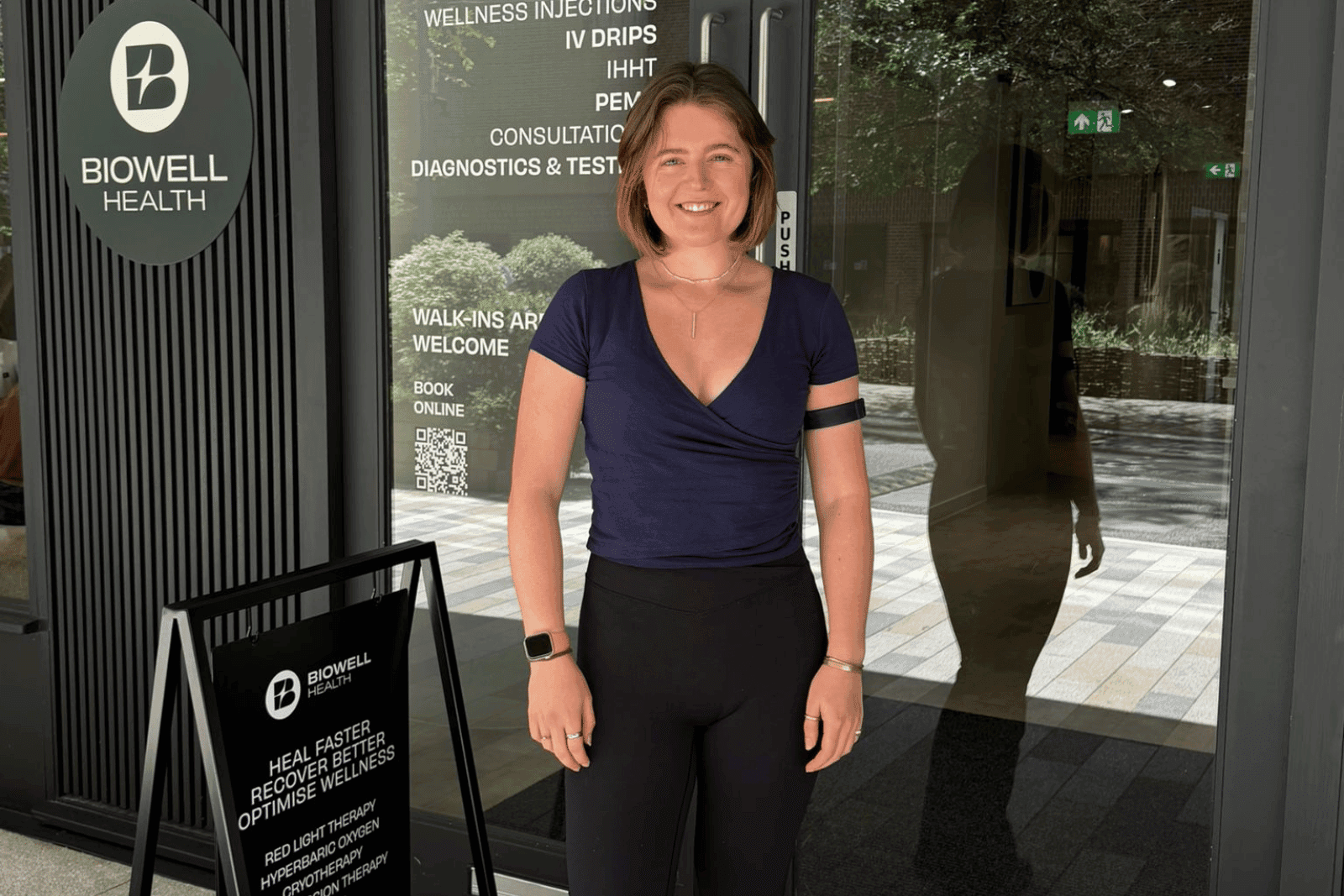
The Day My Body Said No: Megan’s Long COVID Recovery Story
At 21, Megan was a competitive hockey player who said yes to everything. Then COVID hit in April 2020, and five years of fatigue, migraines and POTS followed. In her own words, she describes what finally helped her get to around 80% recovered, and why no single thing fixed it.

The World Cup Effect: How Hyperbaric Oxygen Therapy Became The Most Talked-About Recovery Ritual, And Why We Need A Conversation About Quality
Hyperbaric oxygen therapy has gone from hospital units to World Cup dressing rooms. As interest grows, so does the range of chambers and standards on offer. Here's why the way oxygen is delivered matters, and the questions to ask before you book a session anywhere.
Start with a conversation
A consultation is the honest starting point. We will tell you what is likely to help and what is not worth your money.
Get the Biowell app