

- Ageing
- Longevity and prevention
The role of oxygen in brain health: could HBOT help delay cognitive decline?
Your brain makes up about 2% of your body weight but uses around 20% of its oxygen. This article looks at why oxygen matters for memory and focus, how blood flow to the brain changes with age, and what early research says about hyperbaric oxygen therapy.
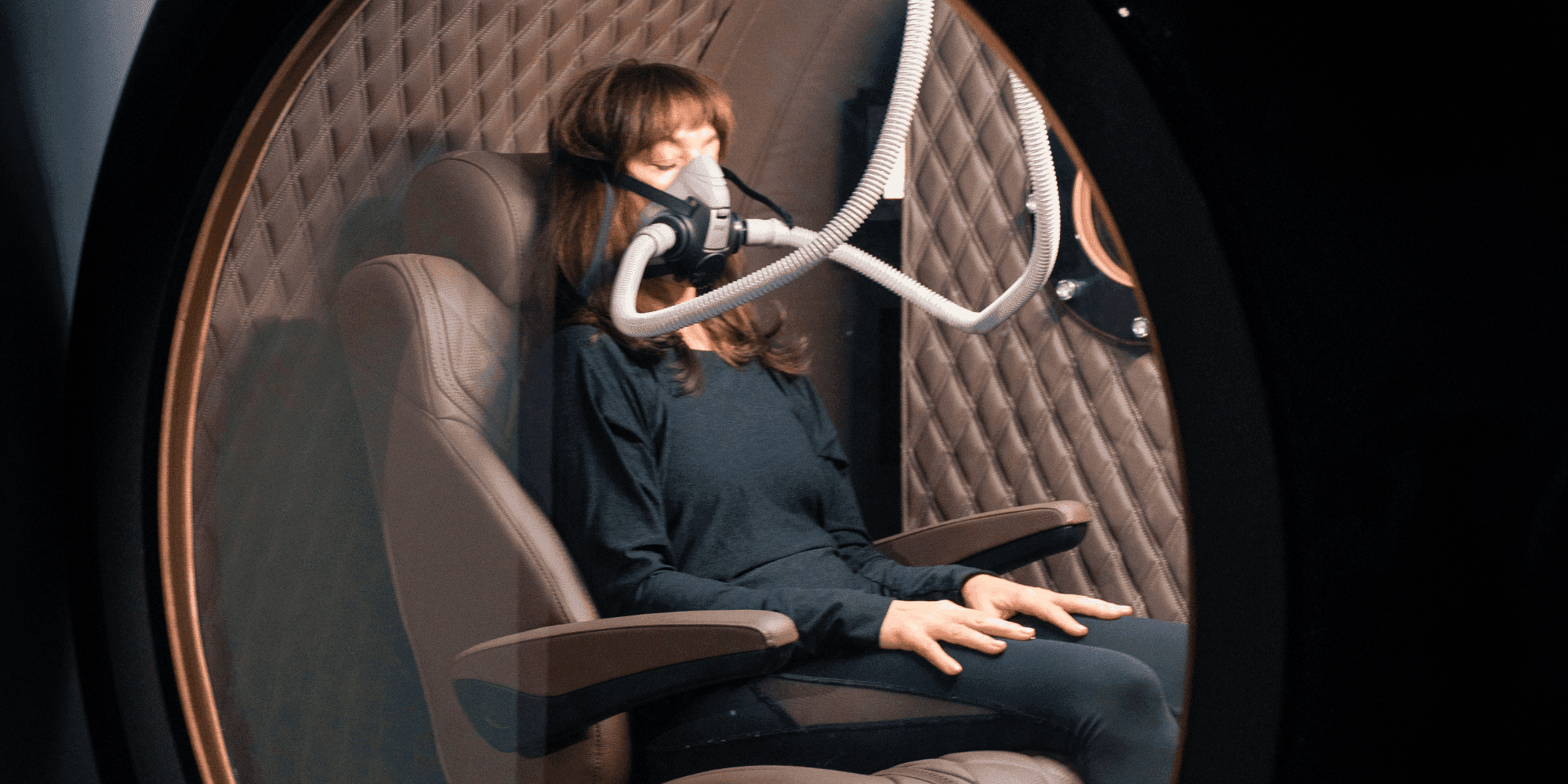
Though only around 2% of body weight, the human brain consumes nearly 20% of the body’s oxygen supply. This makes oxygen a vital ingredient for clear thinking, memory, focus, and long-term neurological health. Without a steady flow of oxygen, brain cells struggle to produce energy, repair themselves, and communicate effectively. We explore the relationship between HBOT and brain health.
As research into brain health grows, attention is increasingly turning to therapies that can improve oxygen delivery. One such treatment is Hyperbaric Oxygen Therapy (HBOT), a non-invasive therapy offered at Biowell Health in Battersea, London. HBOT has been studied for its potential not only to enhance day-to-day cognitive performance, but also to help slow the progression of dementia and Alzheimer’s disease.
Why oxygen matters for brain health
The brain depends on a constant supply of oxygen to generate adenosine triphosphate (ATP) — the energy currency of cells. Neurons in particular require large amounts of ATP to transmit signals, store information and adapt to new challenges.
When oxygen levels drop, even briefly, brain function can be affected. Anyone who has felt lightheaded after holding their breath has experienced this. Chronic low-level oxygen deficiency, known as hypoxia, has been linked to cognitive decline, memory loss and an increased risk of neurodegenerative conditions such as dementia.
Key roles oxygen plays in the brain include:
- Energy production – fuel for neurons to fire and maintain connectivity
- Neuroplasticity – the brain’s ability to form new connections and adapt
- Repair and regeneration – oxygen supports the growth of new blood vessels and the healing of damaged tissue
- Protection against degeneration – adequate oxygen reduces inflammation and oxidative stress that can damage neurons
Oxygen decline, dementia and Alzheimer’s
As we age, blood flow to the brain naturally diminishes. This reduced circulation means fewer nutrients and less oxygen reach brain tissue, which can contribute to memory lapses, slower reaction times and reduced problem-solving ability.
Long-term oxygen deficits are increasingly understood to play a role in conditions such as:
- Mild Cognitive Impairment (MCI) – often seen as a precursor to dementia
- Alzheimer’s disease – where oxygen decline, inflammation and mitochondrial dysfunction accelerate neuronal loss
- Vascular dementia – where poor circulation restricts oxygen delivery to brain tissue
- Stroke recovery complications
- Chronic fatigue, brain fog and low mood
These conditions don’t just affect memory and thinking — they can also cause significant emotional distress for both individuals and their families. The frustration of losing independence, forgetting loved ones or struggling with daily tasks can lead to anxiety, sadness and a reduced sense of self. Supporting oxygen delivery to the brain is therefore not only about cognition, but also about protecting emotional wellbeing and quality of life.
What is Hyperbaric Oxygen Therapy (HBOT)?
Hyperbaric Oxygen Therapy involves breathing 100% oxygen in a pressurised chamber. This pressurisation allows oxygen to dissolve not only in red blood cells but also directly into plasma, cerebrospinal fluid and even tissues with poor circulation.
The result is a much higher level of oxygen delivery to the body, including the brain. This surplus oxygen helps repair damaged tissues, reduce inflammation and enhance cellular energy production.
At Biowell Health in Battersea, our HBOT chambers are designed for comfort and accessibility, making this advanced therapy available for people seeking to optimise both physical and mental performance.
Hyperbaric Oxygen and brain health: what the research says
Over the past decade, HBOT has attracted significant scientific interest for its impact on cognitive function. While research is ongoing, studies suggest HBOT and brain health may support age related decline in several ways:
- Enhanced neuroplasticity – HBOT has been shown to stimulate the growth of new neural pathways, improving learning and memory.
- Improved blood flow – By encouraging new blood vessel formation (angiogenesis), HBOT improves oxygen delivery long after treatment sessions end.
- Reduced inflammation – Chronic neuroinflammation is a key factor in dementia and Alzheimer’s. HBOT helps lower inflammation markers.
- Support for neurodegenerative conditions – Early studies suggest HBOT may slow cognitive decline in dementia and Alzheimer’s disease by improving oxygen supply and mitochondrial function.
- Stroke recovery – HBOT has been used to improve outcomes in patients with brain injuries and strokes, enhancing recovery of speech, movement and memory.
When to start HBOT for brain health
Although many people associate cognitive decline with later life, oxygen delivery to the brain starts to decline much earlier. From the mid-30s to early 40s, circulation and mitochondrial efficiency naturally decrease, which is when early prevention becomes most valuable.
HBOT is suitable for:
- Adults in their 30s and 40s wanting to protect long-term brain health and maintain resilience in demanding careers
- Those in their 50s and 60s noticing brain fog, reduced concentration or memory lapses
- Older adults aiming to support healthy ageing or slow progression of dementia and Alzheimer’s symptoms
- Individuals recovering from brain injury or stroke at any age
Starting early — even before symptoms of decline appear — can provide the best chance of maintaining clarity, memory and emotional wellbeing.
How often should you have HBOT for cognitive support?
The frequency of HBOT depends on individual goals and health status, but research and clinical experience suggest:
- For prevention and mental clarity, 1–2 sessions per week can provide ongoing support for brain oxygenation and resilience.
- For dementia, Alzheimer’s or age-related decline, A structured programme 2–3 times per week is often recommended initially, followed by maintenance sessions to sustain results.
- For recovery from stroke or brain injury, Intensive programmes may involve daily sessions over several weeks, with long-term maintenance depending on progress.
At Biowell Health in Battersea, London, our team will assess your goals and recommend a personalised plan to support both cognitive and emotional health.
Who can benefit from HBOT and brain health?
HBOT may be particularly supportive for:
- Ageing adults wishing to preserve memory and independence
- Professionals experiencing brain fog, stress or fatigue
- Athletes and performers looking to sharpen mental performance
- Individuals in recovery from stroke, concussion or brain injury
- Those with family history of dementia or Alzheimer’s who want to act preventively
Biowell Health: HBOT in Battersea, London
At Biowell Health, Battersea, we offer Hyperbaric Oxygen Therapy in London as part of our holistic approach to energy, cognition and emotional wellbeing. Our HBOT chambers provide a safe, comfortable environment where you can relax while your body absorbs oxygen at levels far higher than normal atmospheric conditions.
Many of our clients choose HBOT as part of a preventative brain health strategy, while others use it to support recovery or manage symptoms of dementia, Alzheimer’s, and related conditions. Sessions typically last 60–90 minutes, and programmes are adapted to each individual’s needs.
Lifestyle tips to complement HBOT
While HBOT can play a significant role, supporting brain health also depends on daily lifestyle choices:
- Exercise regularly – movement increases blood flow and oxygen delivery to the brain
- Eat a nutrient-rich diet – antioxidants, omega-3s and B vitamins support neurons
- Prioritise sleep – restorative rest allows the brain to detoxify and repair
- Manage emotional stress – high stress levels impair oxygen flow and worsen inflammation; practices like mindfulness, journaling or therapy can help
Together with HBOT, these habits create a strong foundation for long-term brain health and emotional balance.
Final thoughts
Oxygen is life — and for the brain, it is the foundation of energy, focus, and longevity. As circulation and oxygen delivery decline with age, cognitive function and emotional well-being can both suffer. Hyperbaric Oxygen Therapy (HBOT) offers a scientifically grounded way to restore oxygen supply, support brain repair, and potentially delay the progression of dementia and Alzheimer’s.
At Biowell Health in Battersea, London, we are proud to offer HBOT as part of our mission to help people achieve sustainable energy, resilience and healthy ageing. Whether you are in your 30s seeking prevention, in your 50s noticing memory changes, or caring for a loved one with dementia, HBOT can be adapted to your stage of life and personal needs.
Protecting your brain’s oxygen supply today could be the key to preserving both cognitive health and emotional well-being tomorrow.
Wondering how this applies to you?
A consultation is where we work out which of this is actually relevant.

Related therapy
The therapies behind it
What is mentioned above, and what it actually involves.
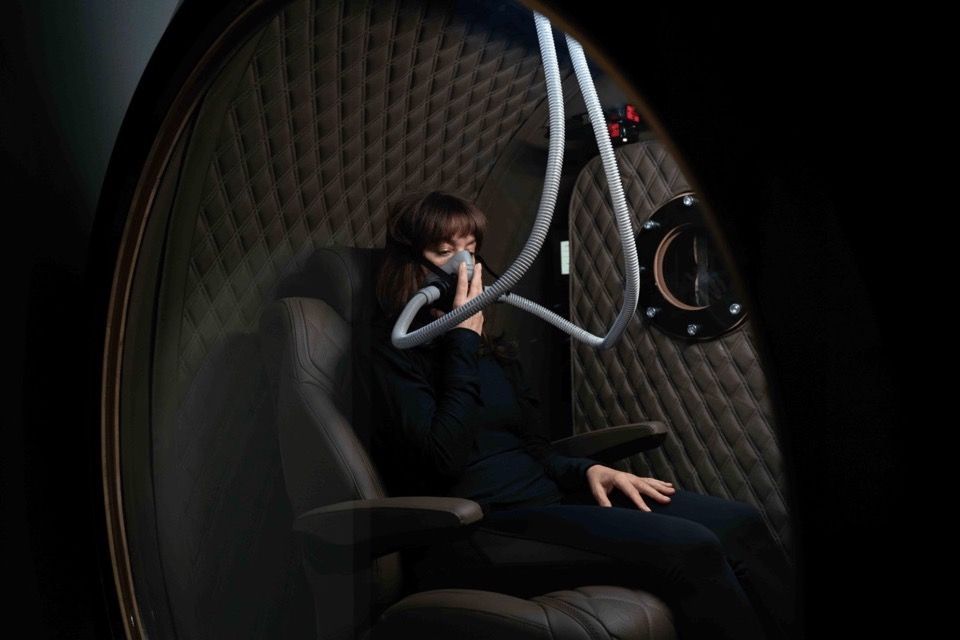
Hyperbaric Oxygen Therapy
Breathing oxygen at increased pressure in a comfortable chamber, to support recovery, repair and cognitive clarity. Sessions are quiet, still and surprisingly restful.
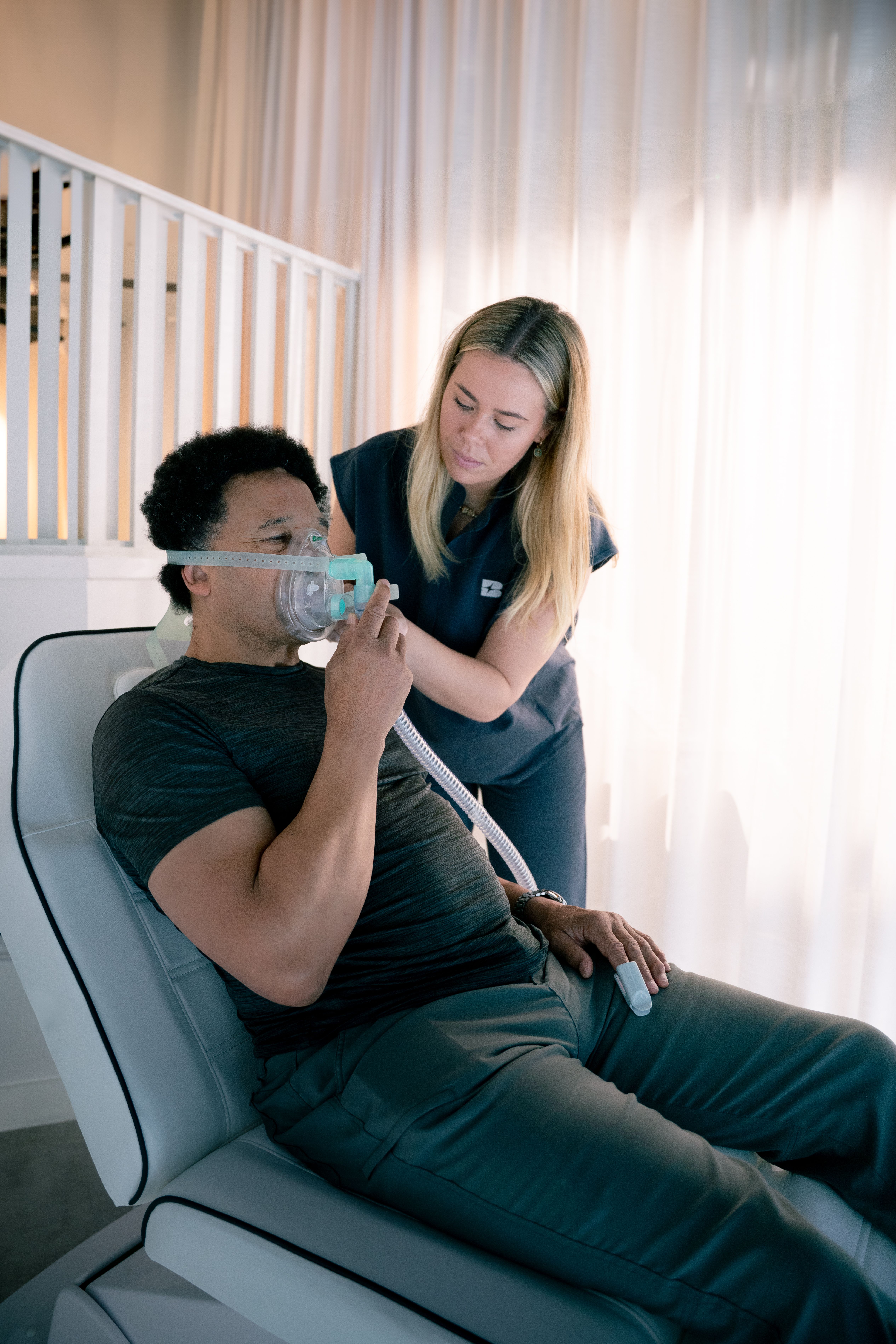
Intermittent Hypoxia Hyperoxia Therapy
Alternating low- and high-oxygen air through a mask, used to train the body's response at a cellular level. You sit still and breathe.
Keep reading

Prevention and longevity: future-proofing your health
Prevention is no longer passive. This guide covers five therapies Biowell uses as part of a personalised approach to healthy ageing: HBOT, NAD+ IV, cryotherapy, red light and IHHT. It explains what each involves and how it may support energy, recovery and resilience over time.
The Day My Body Said No: Megan’s Long COVID Recovery Story
At 21, Megan was a competitive hockey player who said yes to everything. Then COVID hit in April 2020, and five years of fatigue, migraines and POTS followed. In her own words, she describes what finally helped her get to around 80% recovered, and why no single thing fixed it.

The World Cup Effect: How Hyperbaric Oxygen Therapy Became The Most Talked-About Recovery Ritual, And Why We Need A Conversation About Quality
Hyperbaric oxygen therapy has gone from hospital units to World Cup dressing rooms. As interest grows, so does the range of chambers and standards on offer. Here's why the way oxygen is delivered matters, and the questions to ask before you book a session anywhere.
Start with a conversation
A consultation is the honest starting point. We will tell you what is likely to help and what is not worth your money.
Get the Biowell app