

Your Hormones, Your Cells: A Biowell Guide to Women's Health
Your cycle is one of the clearest signals of how your body is doing. Biowell Health explores how oxidative stress, everyday toxins and stress shape women’s hormones, explains endometriosis, PMOS and PMDD, and introduces cycle stacking: the Biowell approach to layering wellbeing therapies in step with your cycle, always alongside the care of your GP or specialist team.
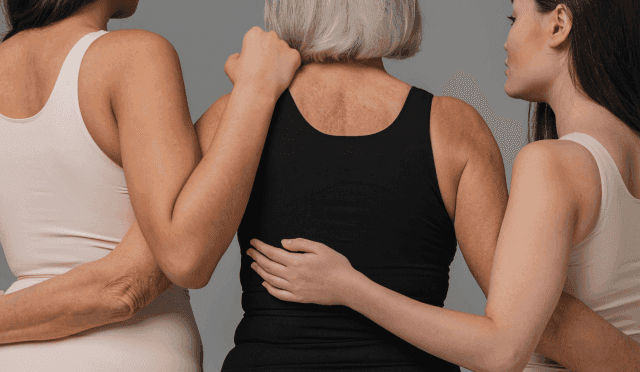
Your cycle isn’t a monthly inconvenience. It’s one of the clearest signals of how your body is doing. Biowell Health explains what the latest science says about hormones, cellular health and everyday environment, and how we layer therapies to support women at every stage of life.
Ask any woman what shapes how she feels, and you’ll hear the same list: sleep, stress, energy, mood, her cycle. They’re rarely separate. A demanding week at work shows up in your period. A poor night’s sleep shows up in your skin. The thread connecting them runs all the way down to your cells.
Hormones are the body’s messengers, made by your glands and read by tissues everywhere, from your ovaries to your brain. How clearly those messages land depends on the environment they travel through: inflammation, stress, circulation and what you’re exposed to day to day. Look after that environment and you give your hormones the best chance of doing their job. In this guide, we unpack three of the biggest influences, then introduce cycle stacking: the Biowell approach to layering therapies in step with your cycle.
Oxidative stress: the quiet disruptor
Think of oxidative stress as cellular wear and tear. It happens when the body produces more free radicals than its antioxidant defences can neutralise. Over time, the excess can damage cells and keep low-grade inflammation simmering in the background (review).
Research has linked oxidative stress with changes in several hormones that matter to women:
Cortisol, your main stress hormone. When it stays high for long periods, it can affect sleep, energy, weight and mood. Oestrogen, whose metabolism has been linked with oxidative stress. Insulin, where oxidative stress is associated with insulin resistance, which can affect energy, weight and cycle regularity.
The hidden load: everyday toxins and the ageing ovary
We talk a lot about ageing skin. We talk far less about ageing ovaries, even though they shape fertility, the timing of menopause and long-term bone, heart and brain health. What the research found
What the research found
A 2024 study in The Journal of Clinical Endocrinology & Metabolism followed 549 women in midlife through the years before their final period. Those with higher levels of metals such as arsenic, cadmium and mercury in their urine tended to have lower Anti-Müllerian Hormone (AMH), a marker of how many eggs remain (study · Endocrine Society summary).
It shows a link, not proof of cause. But it’s a useful reminder that what we absorb from food, water and air matters.
How to lighten the load
Your liver, kidneys and lymphatic system do the real work of clearing what the body doesn’t need. The most useful steps start at home:
Vary your fish. Larger predatory fish such as swordfish and marlin tend to carry more mercury, so mix up your choices.
Avoid tobacco smoke. Smoking, including second-hand smoke, is a major source of cadmium.
Cook rice in plenty of water. Rice can contain arsenic, and cooking it in extra water then draining it helps reduce the amount.
Planning a pregnancy? Our Fertility Programme is designed to support your wellbeing alongside your clinical care, never in place of it.
Desire, energy and the stress connection
Low desire is one of the most common symptoms in women's health, and one of the least talked about. Shifting oestrogen and progesterone, chronic stress, poor sleep and reduced circulation can dampen libido, energy and mood all at once (review).
It's rarely about one hormone. It's about the whole system, and these are the levers we can support:
- Ease the stress load. Chronic stress affects sleep, mood and desire. PEMF and hyperbaric oxygen sessions are quiet, still and deeply restful, and anchor our Stress Programme.
- Support circulation. Healthy blood flow matters for arousal and sensation. Compression therapy supports it while you simply sit back.
- Check what's missing. B vitamins, vitamin C, magnesium, zinc and selenium all play roles in energy, nerve signalling and hormone production. A blood test is the best way to know whether you're low, and nutrient support may be discussed at consultation where appropriate.
- Protect your sleep. Red light therapy is explored for circadian rhythm, and better sleep is often the first change women notice.
If low desire is new, persistent or distressing, speak to your GP too. It can have medical causes that deserve a proper look.
Introducing cycle stacking
At Biowell, we call it layering. Instead of repeating the same session every week, we combine two or three therapies in one visit and change the mix as your cycle moves. How we think about it: each therapy is used for a different purpose, such as circulation, relaxation or recovery, so combining them in one visit lets us cover more ground. A typical visit moves from stimulating to restorative, so you leave alert but settled.
Phase by phase
Every cycle is different, and research on timing therapies to specific phases is still young. Treat this as a starting framework that your consultation will tailor. Days are based on a typical 28-day cycle, and tracking yours for a month or two beforehand helps.
Menstrual phase, days 1 to 5: rest and restore Energy is at its lowest, and cramps or heaviness are common. This is a time for gentle care. Your stack: compression, PEMF, then red light.
Follicular phase, days 6 to 13: rebuild Oestrogen rises and motivation returns. This is your best window for more demanding sessions and training recovery. Your stack: IHHT, then hyperbaric oxygen.
Ovulatory phase, around days 14 to 16: perform Many women notice their energy and confidence peak around now. The aim is to keep recovery in step with a high-output week. Your stack: compression, then red light.
Luteal phase, days 17 to 28: soothe Progesterone rises, and for many women so do bloating, poor sleep, low mood and cravings. The focus shifts to fluid movement, the nervous system and sleep. Your stack: compression, PEMF, then red light.
Trying to conceive? You could be pregnant during this phase before a test can show it, so tell us and we'll adjust your plan.
When your cycle needs more care
If you live with a long-term cycle condition, your GP or specialist leads your care. Here’s a short guide to three of the most common, and where to turn for help. If you’d like to explore our wellbeing therapies alongside your treatment, we’ll ask about your diagnosis and current care first to make sure they’re appropriate for you.
Endometriosis
Endometriosis is a chronic inflammatory condition in which tissue similar to the womb lining grows elsewhere, often in the pelvis. It affects around 1 in 10 women of reproductive age and can bring severe period pain, heavy bleeding and fatigue.
Worth knowing: there’s no cure, but pain relief, hormonal medicines and surgery can all help, so your GP or gynaecologist should lead your care. Heavy bleeding can lower iron levels, which a simple blood test can check.
PMOS (formerly PCOS)
Polyendocrine metabolic ovarian syndrome is the new name for polycystic ovary syndrome. You'll still see PCOS used in some guidelines and websites while the new name beds in. It's a hormone condition that can affect periods, hair, skin, weight, mood and fertility, and is linked to insulin resistance and raised androgen levels.
Worth knowing: nutrition and regular movement are the foundation. Your GP can arrange blood tests for hormone levels and insulin resistance, and talk you through treatment options.
PMDD
Premenstrual dysphoric disorder is a severe form of PMS. Intense anxiety, anger or low mood build in the days before a period, and may be linked to a heightened sensitivity to normal hormone changes.
Worth knowing: PMDD is a recognised condition and effective treatments exist, including talking therapy and medication, so speak to your GP. Keeping a symptom diary for two cycles can help that conversation. Our therapies are not a treatment for PMDD.
If PMDD or any other condition leaves you feeling suicidal, call 999 or go to A&E. You can also call Samaritans free, any time, on 116 123.
Layering through the decades
The principle stays the same for life. What we layer around changes.
- Twenties and thirties: cycle-led layering that balances work, training and stress. If you're trying to conceive, tell us, as you could be pregnant before a test shows it and we'll adjust your plan.
- Pregnancy: several of our therapies aren't suitable. Tell us if you're pregnant, and we'll adjust or pause your plan.
- Perimenopause and menopause: as cycles become unpredictable, we layer around how you feel rather than the calendar, with a focus on sleep, energy and mood. NICE recommends HRT as a first-line treatment for many menopause symptoms, so talk to your GP about whether it's right for you. Our therapies can sit alongside it, not replace it.
- After menopause: a steady weekly rhythm focused on sleep, energy and skin. If you're concerned about your bone health, your GP can assess your risk and arrange a DEXA scan if needed.
The Biowell view
Your hormones respond to how you live, and your plan should too. Small, consistent inputs, layered with intention and reviewed regularly, tend to outperform one-off fixes.
Start with a conversation with one of our health optimisers covers your goals, your history and what you've already tried. You'll leave with an honest recommendation, never a hard sell. Where testing would genuinely change your plan, advanced hormone and biomarker testing is available through VIVR, with results interpreted by clinicians and fed straight back into your Biowell plan. Every programme includes a review part way through: a real decision point to continue, adjust or stop.
Book your consultation at our CQC-registered clinic at Battersea Power Station, or take the quiz to find your starting point.
Biowell offers supportive therapy, not diagnostic or gynaecological care. This article is for general information and is not medical advice. If you are managing a specific hormonal, reproductive or fertility condition, our therapies sit alongside your GP or specialist, not instead of them. Results vary between individuals.
References
Pizzino G. et al. (2017). Oxidative stress: harms and benefits for human health. Oxidative Medicine and Cellular Longevity. https://doi.org/10.1155/2017/8416763
Ding N. et al. (2024). Heavy metals and trajectories of anti-Müllerian hormone during the menopausal transition. The Journal of Clinical Endocrinology & Metabolism. https://doi.org/10.1210/clinem/dgad756
Endocrine Society (2024). Women exposed to toxic metals may experience earlier aging of their ovaries. https://www.endocrine.org/news-and-advocacy/news-room/2024/women-exposed-to-toxic-metals-may-experience-earlier-aging-of-their-ovaries
World Health Organization (2025). Endometriosis fact sheet. https://www.who.int/news-room/fact-sheets/detail/endometriosis
NHS (2026). Polyendocrine metabolic ovarian syndrome (PMOS). https://www.nhs.uk/conditions/polyendocrine-metabolic-ovarian-syndrome-pmos/
NHS (2024). PMS (premenstrual syndrome), including PMDD. https://www.nhs.uk/conditions/pre-menstrual-syndrome/
NICE (2026). Menopause: identification and management (NG23). https://www.nice.org.uk/guidance/ng23
NHS (2026). Fish and shellfish. https://www.nhs.uk/live-well/eat-well/food-types/fish-and-shellfish-nutrition/
Food Standards Agency (2018). Arsenic in rice. https://www.gov.uk/government/publications/arsenic-in-rice/arsenic-in-rice
Wondering how this applies to you?
A consultation is where we work out which of this is actually relevant.
Related goal
Where this fits
The goal this article sits under, if you would rather start from the outcome.

Women's health
A Biowell approach in step with a woman's physiology, hormones and goals at every life stage — personally tailored after consultation, not applied off a menu.
- From £70 per session
- Consultation
Menopause
Perimenopause and menopause affect sleep, energy, mood, joints and skin all at once. We start by understanding which of those matter most to you, then build a plan around them.
- 6 to 12 weeks
- From £95 per session

Stress and resilience
Resilience is physical as well as mental. When recovery is not keeping up with demand, everything feels harder than it should.
- 8 weeks
- From £85 per session

Fertility
Whether you are preparing to conceive or already in treatment, we focus on the things that support you alongside your clinical care — recovery, stress load, circulation and sleep.
- From £95 per session
- Consultation
Related therapy
The therapies behind it
What is mentioned above, and what it actually involves.
Red Light Therapy
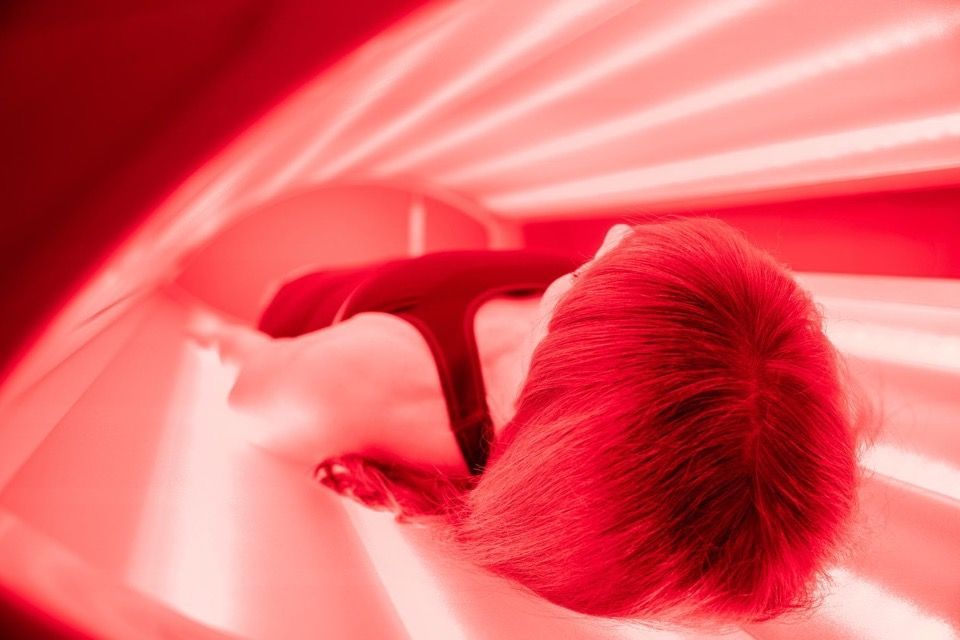
Low-level red and near-infrared light, explored for skin, recovery and sleep. A passive session you can fit into a lunch break.
PEMF Therapy
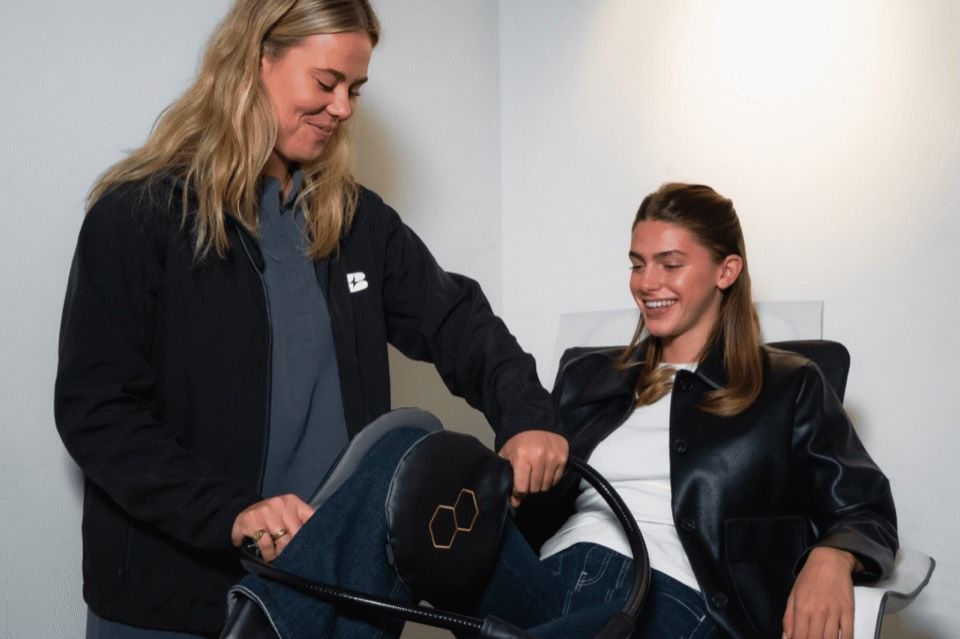
Pulsed electromagnetic fields applied through a mat, explored for recovery, circulation and sleep quality.
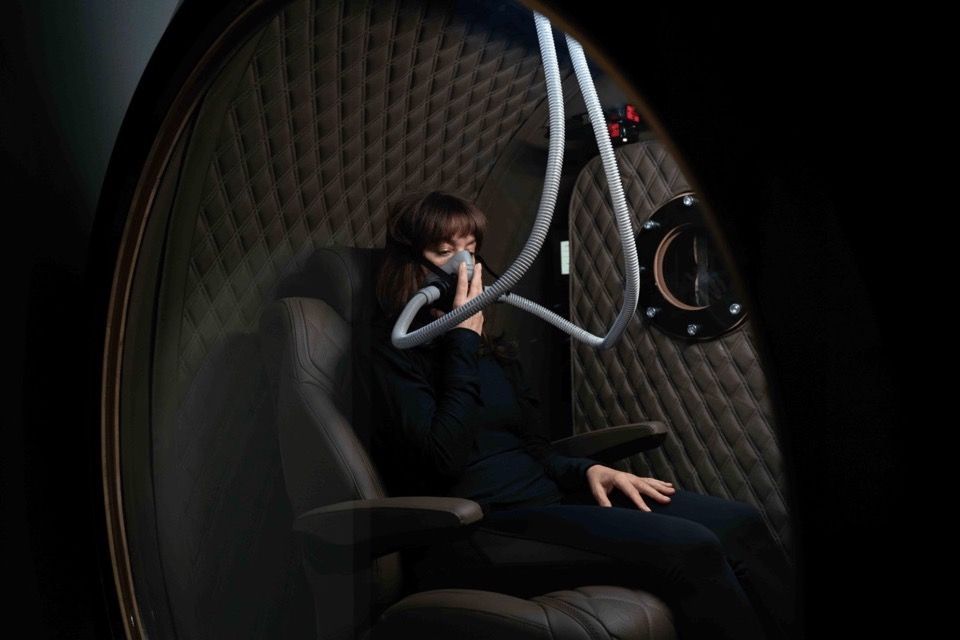
Hyperbaric Oxygen Therapy
Breathing oxygen at increased pressure in a comfortable chamber, to support recovery, repair and cognitive clarity. Sessions are quiet, still and surprisingly restful.
Start with a conversation
A consultation is the honest starting point. We will tell you what is likely to help and what is not worth your money.
Get the Biowell app