

Sleep and hormones: why the two are hard to separate
Poor sleep unsettles your hormones; shifting hormones unsettle your sleep. Support your body in the right places, and the two start working for each other instead of against.
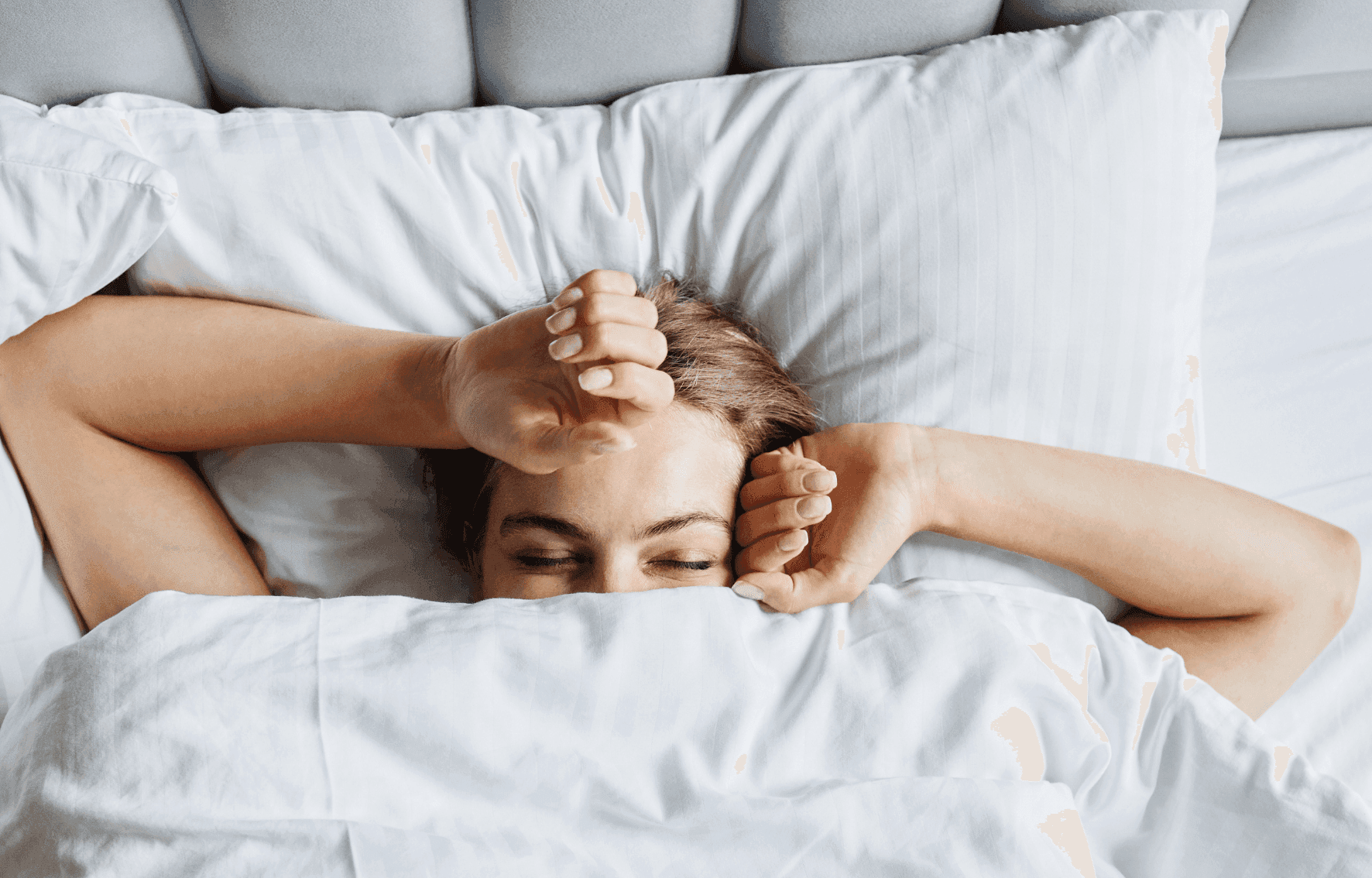
3am. Awake again. Not anxious, not restless, just on. You did the things: phone away, magnesium taken, room cool and dark.
Sleep and your hormones are in constant conversation, and when one goes off-script, the other follows. The catch is that it works both ways.
The night shift
Sleep is not downtime. It is when much of your hormonal housekeeping is scheduled — and when the timetable slips, the effects show up the next day.
• Growth hormone is released in deep, slow-wave sleep. It is the body's repair signal, for adults as much as teenagers. • Testosterone: most of a man's daily release happens during sleep, which is why fragmented sleep and sleep apnoea are both linked to lower levels. • Cortisol should peak shortly after waking and fall to its lowest point in the evening, clearing the runway for sleep. Melatonin rises as daylight fades to signal the same. • Leptin and ghrelin, the hormones that tell you you're full or hungry, also follow the sleep–wake cycle.
One endocrinology review puts it plainly: hormone synthesis and release are tightly bound to circadian rhythm and regulated by sleep itself. Disturb the night, and the whole timetable shifts with it.
What one short week does
The striking thing in the research is how quickly sleep loss registers in the blood. These are lab studies, small and tightly controlled, but the direction is consistent. Testosterone. At the University of Chicago, young healthy men restricted to five hours a night for one week saw daytime testosterone fall by 10–15% — roughly the decline you'd expect from ten to fifteen years of ageing. Their mood and vigour dropped a little more each day (Leproult & Van Cauter, JAMA, 2011).
Appetite. In a 2004 crossover trial, two nights of four hours in bed lowered leptin (the fullness signal) by 18% and raised ghrelin (the hunger signal) by 28%. Cravings for calorie-dense, carbohydrate-heavy food rose by a third or more (Spiegel et al., Annals of Internal Medicine, 2004). Worth knowing: later studies haven't always replicated the effect, and one explanation is that it shows up most when the stress system is also switched on (review). In other words — sleep and stress compound.
Cortisol. Even one night of partial sleep loss leaves cortisol higher the following evening, exactly when it should be falling (Leproult et al., Sleep, 1997). Later work found sleep restriction flattens the whole daily cortisol curve, with evening free cortisol rising sharply (Guyon et al.). Which brings us to the loop: elevated evening cortisol makes it harder to fall and stay asleep. A bad night sets up the next one.
When hormones move first
Now run the film backwards. Sometimes the hormones shift and sleep follows, and nowhere is that clearer than in perimenopause.
As oestrogen and progesterone begin to fluctuate and fall, sleep quality changes with them; progesterone in particular has a naturally calming, sleep-supporting effect, so its decline is felt at night (narrative review, 2025). Estimates suggest sleep problems affect up to 47% of women in perimenopause and 35–60% after menopause.
The assumption is that it's all night sweats. It isn't. In a study of nearly 50,000 women across the US and Europe, around 61% of perimenopausal women with hot flushes reported disturbed sleep, but so did roughly 40% of those with no hot flushes at all (US–Europe survey). Those women had measurably worse quality of life and higher rates of anxiety and low mood, whether or not the flushes were there.
It isn't only a women's story. Thyroid changes, falling testosterone, chronic stress and blood-sugar swings all write themselves into the night. The common thread: hormonal change often announces itself first as a sleep problem.
Why direction matters
If poor sleep is driving your hormones, protecting sleep is the intervention. If hormones are driving your sleep, no amount of sleep hygiene will fully reach the cause. Most people are somewhere in between, which is exactly why the two are so hard to untangle.
The endocrine system is a network, not a set of separate switches. Pull on one thread - cortisol, say and you feel the tension somewhere else entirely. Guessing which knot is tightest, without a proper look, is how people end up stacking supplements that fix nothing.
At Biowell, that is the starting point. Getting eight hours and still waking exhausted is a different problem from lying awake unable to switch off, and our clinicians begin by working out which one you have. Poor sleep is usually a symptom rather than the root: stress load, temperature regulation, recovery debt and hormonal change all show up as disturbed nights. So we look at the pattern, when you wake, how you feel at 4pm, where you are in your cycle or in the menopause transition, before recommending anything at all. And when a deeper read of the biology is needed, advanced biomarker testing through our partner VIVR can fill in what a conversation can't.
Where therapy fits, honestly
No therapy rebalances hormones on its own, and anyone who promises otherwise is selling something. What the right support can do is ease the load on the systems that sit between sleep and hormones, the nervous system, recovery and the evening wind-down, so the loop has a chance to reset.
Our Sleep Programme is built around that idea: evening sessions over four weeks, with a genuine review point in the middle.
• PEMF therapy — pulsed electromagnetic fields delivered through a mat, explored for recovery, circulation and sleep quality. Ten to twenty quiet minutes that many people use as a deliberate off-switch. • Red light therapy — low-level red and near-infrared light. Red is the wavelength least likely to suppress melatonin, and one small trial found that two weeks of nightly red light improved sleep scores and serum melatonin in elite female athletes (Zhao et al., 2012). Promising, but only 20 participants, so we treat it as support, not cure. • IHHT — intermittent hypoxic-hyperoxic training, short cycles of lower- and higher-oxygen air, used within the programme to support recovery. • Sleep+ — an optional Myers Cocktail infusion. Its magnesium matters: the mineral plays a supporting role in regulating stress hormones and calming the nervous system, and healthy levels are linked with better-quality sleep.
One line we hold firmly: none of this is an alternative to HRT. We don't prescribe it, and we would never suggest stopping a treatment your GP or menopause specialist has prescribed. Our work sits alongside your medical care, not instead of it.
The edit: five things to start tonight
- Anchor the morning, not the bedtime. A consistent wake time and ten minutes of daylight early on sets the cortisol peak where it belongs, so it can fall by evening.
- Protect the hours first. Lab studies show the hormonal effects of short sleep appear within days. If you're regularly under six hours, that is the first thing to fix.
- Keep evenings dim and warm-toned. Bright, blue-white light delays melatonin. If you need light late, red or amber is the gentlest choice — though, as researchers like to point out, darkness is better still.
- Cool the room. Temperature regulation is a common hidden driver, especially in perimenopause. A cooler bedroom and breathable bedding make night-time flushes less likely to fully wake you.
- Keep a two-week log. Note when you wake, how you feel mid-afternoon, alcohol and caffeine and, if relevant, where you are in your cycle. Patterns tell a clinician which direction the problem runs — and save you weeks of guesswork.
The takeaway
Sleep and hormones are less a cause and an effect than a pair of dance partners: when one stumbles, the other follows. The good news is that the loop works in reverse, too. Steady the nights and the hormones have room to settle; support the hormonal shift and sleep often returns first — many of our members notice it within two to three weeks. The trick is knowing where to step in. Book a consultation at our Battersea Power Station clinic and we'll start where we always do: with your pattern, not a catalogue of therapies — and an honest view on what's worth your time.
References • Leproult R, Van Cauter E. Effect of 1 week of sleep restriction on testosterone levels in young healthy men. JAMA, 2011. • Spiegel K et al. Sleep curtailment in healthy young men is associated with decreased leptin, elevated ghrelin and increased hunger and appetite. Annals of Internal Medicine, 2004. • Sleep loss, stress and leptin: why early findings did not always replicate. PMC review. • Leproult R et al. Sleep loss results in an elevation of cortisol levels the next evening. Sleep, 1997. • Guyon A et al. Sleep restriction and daytime ACTH and cortisol profiles. • Sleep and hormones: endocrine pathways and metabolic health. Diabetology & Metabolic Syndrome, 2025. • Sleep disturbance and perimenopause: a narrative review. • The burden of sleep disturbances in nearly 50,000 perimenopausal and postmenopausal women, with and without vasomotor symptoms. • Zhao J et al. Red light and the sleep quality and endurance performance of Chinese female basketball players. Journal of Athletic Training, 2012. • Biowell Health: Sleep · Sleep ProgrammeThis article is for general information and isn't a substitute for medical advice. If your sleep has changed suddenly or significantly, speak to your GP.
Wondering how this applies to you?
A consultation is where we work out which of this is actually relevant.
Related goal
Where this fits
The goal this article sits under, if you would rather start from the outcome.
Sleep
Getting eight hours and still waking up tired is a different problem from not being able to fall asleep. We start by working out which one you have.
- 6 weeks
- From £85 per session

Menopause
Perimenopause and menopause affect sleep, energy, mood, joints and skin all at once. We start by understanding which of those matter most to you, then build a plan around them.
- 6 to 12 weeks
- From £95 per session

Energy and lifestyle optimisation
Persistent tiredness is the most common reason people come to us, and it is rarely solved by being told to sleep more.
- 8 weeks
- From £85 per session
Related therapy
The therapies behind it
What is mentioned above, and what it actually involves.

PEMF Therapy
Pulsed electromagnetic fields applied through a mat, explored for recovery, circulation and sleep quality.
Red Light Therapy
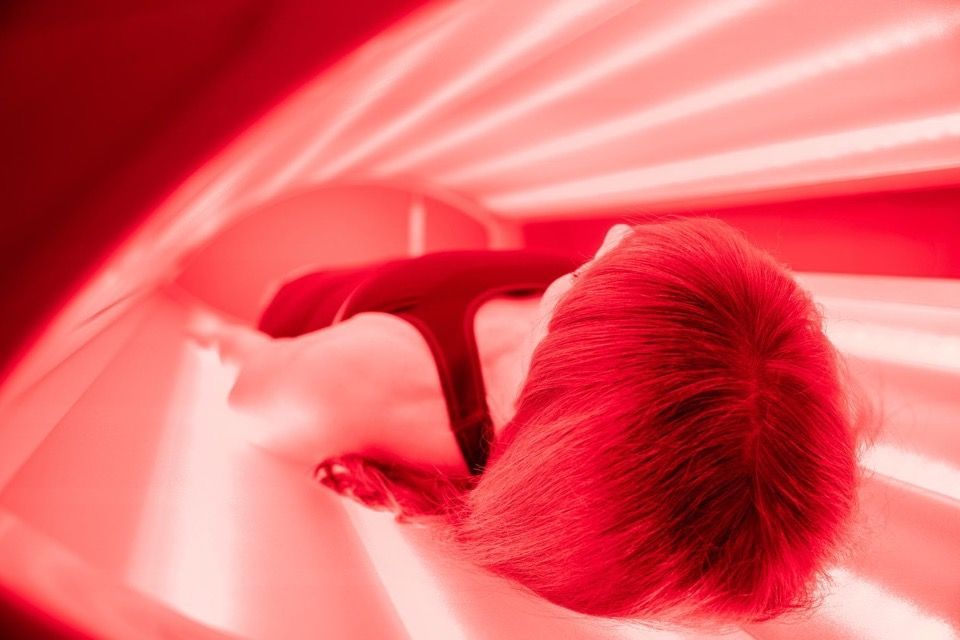
Low-level red and near-infrared light, explored for skin, recovery and sleep. A passive session you can fit into a lunch break.
Start with a conversation
A consultation is the honest starting point. We will tell you what is likely to help and what is not worth your money.
Get the Biowell app